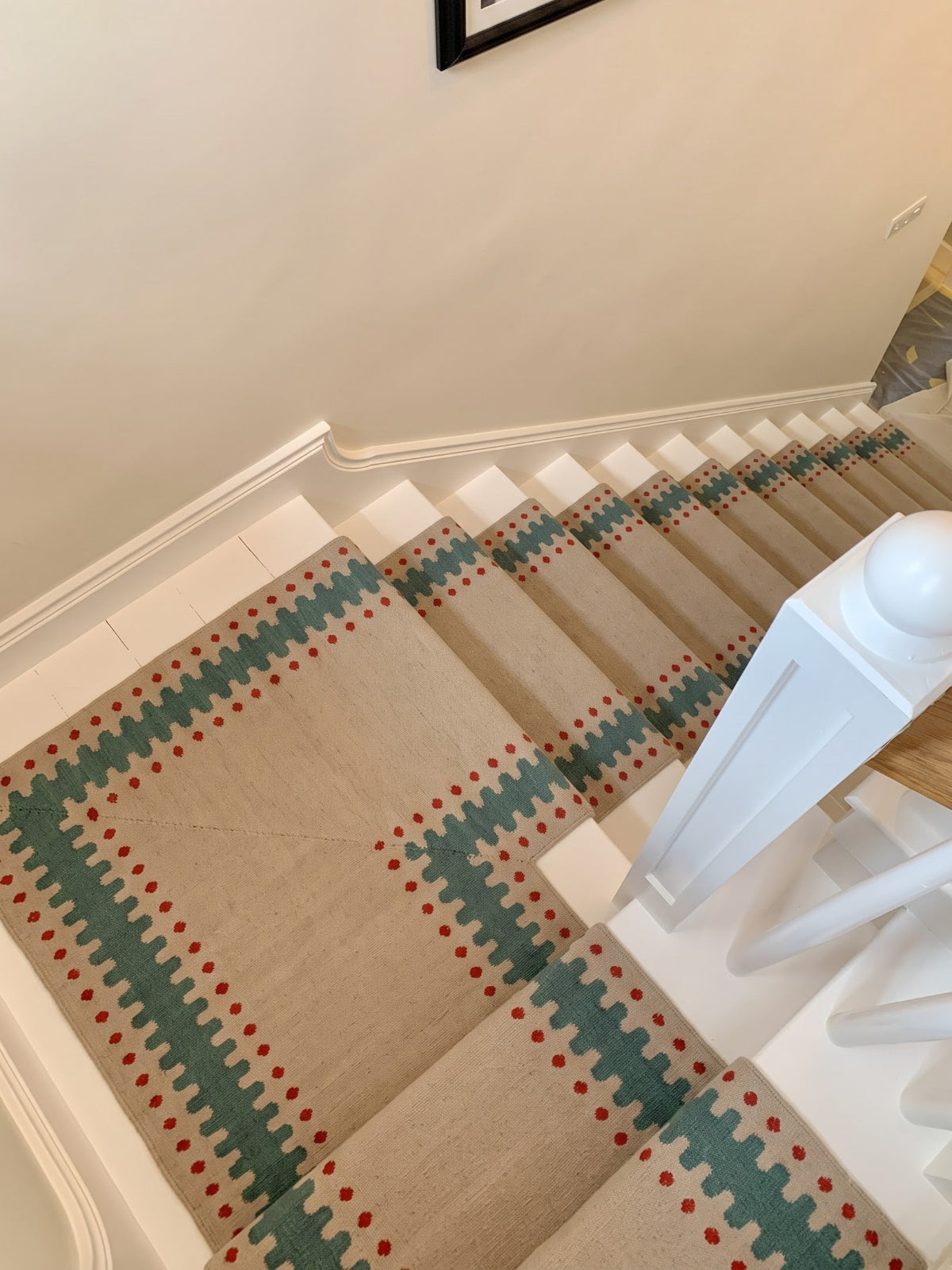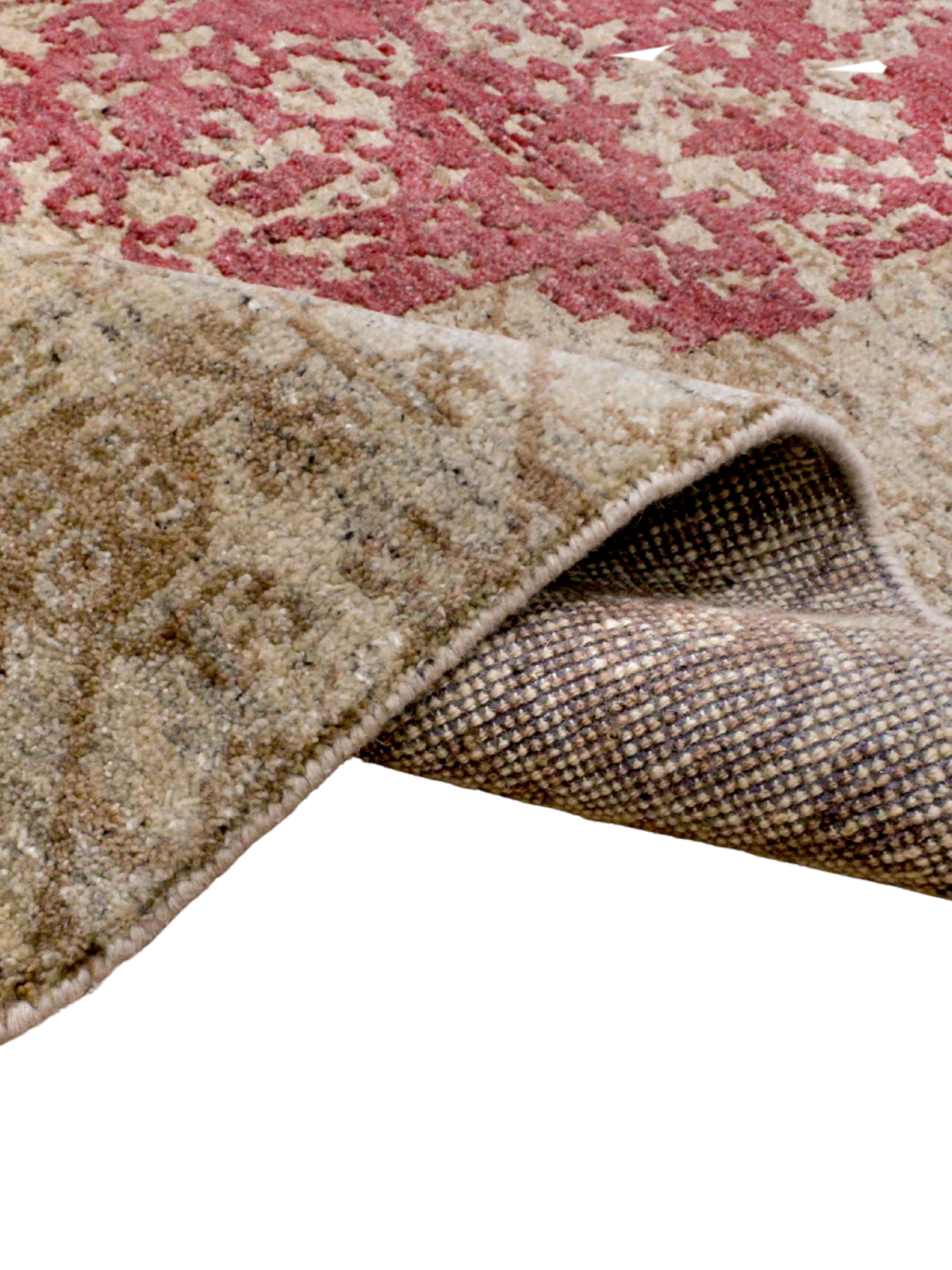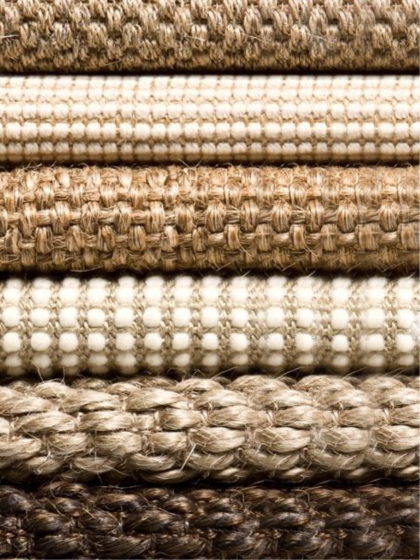

A well-chosen rug can completely change the character of an interior. It can make a large room feel warmer and more inviting, define different areas within an open-plan space, add visual depth to minimalist furniture, and introduce texture without requiring major changes to the overall décor. In modern London homes, where interiors often combine contemporary architecture with classic details, a carefully selected rug can become one of the most important decorative elements in the room. From sophisticated living rooms and elegant bedrooms to dining areas, hallways, and home offices, the right rug brings together furniture, colours, textures, and proportions to create a more considered interior.
Choosing among the many Luxury Rugs in London can therefore be about much more than finding an attractive pattern. A luxury rug should complement the architecture and furniture of the space while also offering appropriate comfort, durability, texture, and visual balance. Whether you prefer understated neutral tones, traditional patterns, contemporary geometric designs, rich textures, or statement pieces, the best choice depends on how the room is used and what you want the rug to contribute. For homeowners looking to create sophisticated interiors, Aarohana Home offers an opportunity to explore rugs as part of a wider approach to refined home styling, where design, material, proportion, and practicality work together.
What Makes a Rug Truly Luxurious?
Luxury is not simply determined by a high price or an elaborate design. A genuinely luxurious rug is usually defined by a combination of material quality, craftsmanship, texture, construction, design, and longevity. Natural fibres such as wool and silk have historically been associated with premium rugs because they can provide distinctive textures, depth, softness, and visual character. However, the quality of the finished rug depends on far more than the fibre itself. The construction technique, density, finishing, colour quality, pattern definition, and craftsmanship all influence how the rug looks and performs.
For modern interiors, luxury can also mean restraint. A beautifully made rug with a subtle pattern and sophisticated neutral palette can have a stronger design impact than an excessively ornate piece. The objective is to select something that feels intentional within the room rather than simply expensive. This is particularly important in London interiors, where period properties, modern apartments, townhouses, and contemporary developments can each require very different approaches to colour, scale, and pattern.
Why Are Luxury Rugs So Important in Modern London Interiors?
London homes often have distinctive architectural characteristics. Victorian and Edwardian properties may feature high ceilings, fireplaces, wooden flooring, decorative mouldings, and generous proportions, while contemporary apartments can have open-plan layouts, large windows, polished surfaces, and minimalist architectural details. A rug can help connect these elements by introducing softness and visual continuity.
In an open-plan living space, for example, a large rug can visually establish the seating area without the need for walls or partitions. In a period property, a carefully selected rug can add warmth while respecting the character of the architecture. In a minimalist apartment, texture can prevent the space from feeling overly stark. This versatility explains why Luxury Rugs in London remain an important choice for homeowners, interior designers, and anyone interested in creating a polished residential environment.
A rug can also influence how people experience a room. Soft fibres create a more comfortable surface underfoot, while carefully selected colours can make furniture appear more cohesive. Pattern can introduce personality, and texture can create subtle visual interest even when the colour palette remains restrained.
How Should You Choose a Luxury Rug for Your Living Room?
The living room is often the most important space when selecting a statement rug because it is where furniture, lighting, artwork, flooring, and accessories come together. Start by considering the layout rather than choosing the rug based solely on its appearance. The rug should have enough presence to connect the main pieces of furniture and create a sense of unity.
In a larger living room, an appropriately sized rug can sit beneath the sofa and surrounding chairs, creating a defined conversation area. For smaller rooms, it may be more appropriate to use a rug that fits within the central furniture arrangement while maintaining enough visible flooring around the edges. The proportions should feel intentional rather than cramped.
Colour is another important consideration. If the furniture and walls already feature strong colours or patterns, a quieter rug may create better balance. Conversely, a relatively neutral room can benefit from a patterned or textured rug that becomes a focal point. This does not mean every room needs a dramatic statement piece. Often, the most sophisticated interiors use subtle contrasts between furniture, flooring, textiles, and rugs.
Choosing the Right Rug for a Bedroom
Bedrooms benefit from rugs that create a sense of warmth and comfort. A soft, tactile rug can make the room feel more inviting, especially when placed beside or partially beneath the bed. The ideal size depends on the dimensions of the room and the position of the furniture.
A larger rug extending beyond the sides of the bed can create a balanced and luxurious appearance, while smaller rugs can be positioned beside the bed to provide softness where it is most useful. Neutral shades, muted patterns, and gentle textures are popular choices for bedrooms because they can support a calm atmosphere without overwhelming the space.
When choosing a bedroom rug, consider how the material feels underfoot, how frequently the room is used, and how much maintenance you are comfortable with. Luxury should enhance everyday living, not create unnecessary difficulty.
How to Select a Luxury Rug for a Dining Room
Dining rooms require a slightly different approach because practicality becomes particularly important. The rug should be large enough to accommodate the dining table and chairs, including the space needed to pull the chairs backwards without immediately leaving the rug.
A rug with an appropriate construction can help define the dining area while adding sophistication to the room. However, consider cleaning requirements before choosing a particularly delicate material or very pale colour. Dining spaces can experience spills, food particles, and frequent movement, so the rug should suit the lifestyle of the household.
The relationship between the rug and dining table also matters. A rectangular rug generally works naturally with a rectangular table, while a round rug can complement a circular dining table. Matching shapes is not an absolute rule, but maintaining a visual relationship between the two can make the overall arrangement feel more cohesive.
What Materials Are Used in Luxury Rugs?
Material selection has a significant influence on appearance, comfort, durability, and maintenance. Wool is widely appreciated for its warmth, resilience, and natural texture, making it a practical option for many living spaces. Silk can provide exceptional softness and a distinctive sheen, although it may require more careful placement and maintenance. Other natural and blended fibres can also provide different combinations of texture, durability, and visual character.
The best material depends on where the rug will be placed. A decorative rug in a low-traffic bedroom can be selected differently from a rug positioned in a frequently used hallway or family living room. Understanding the characteristics of the material helps buyers make decisions based on long-term suitability rather than appearance alone.
For anyone comparing Best Luxury Rugs in London, material should therefore be one of the first considerations. A beautiful rug is only a good investment if its construction and fibre are appropriate for the environment in which it will be used.
Traditional, Contemporary or Transitional: Which Style Is Best?
There is no single style that defines luxury. Traditional rugs can introduce heritage-inspired patterns, intricate detailing, and a sense of timeless elegance. Contemporary rugs may use abstract forms, geometric compositions, subtle tonal variations, or modern artistic influences. Transitional designs can combine elements of both approaches, making them particularly useful for interiors that mix classic and modern furniture.
The right style depends on the personality of the room. A contemporary London apartment may work beautifully with an understated geometric design, while a traditional townhouse could accommodate a more detailed pattern. However, contrast can also be effective. Placing a contemporary rug within a period interior can create an interesting dialogue between old and new.
Rather than choosing a rug simply because it is currently fashionable, consider whether its design will continue to complement the room as your furniture and décor evolve.
How Do You Choose the Correct Rug Size?
Rug size is one of the most common areas where otherwise beautiful interior schemes can lose their sense of proportion. A rug that is too small can make a room appear disconnected, while an oversized rug may dominate the space.
Measure the room and furniture arrangement before shopping. Think about where the rug will begin and end, how much flooring should remain visible, and whether furniture should sit completely or partially on the rug. In a seating area, the rug should generally help connect the furniture rather than sit like an isolated island in the centre.
For dining rooms, remember to allow enough additional rug space for chairs. For bedrooms, consider whether you want the rug to extend around the bed or whether smaller bedside rugs would be more suitable.
This planning stage is especially valuable when investing in premium products. Selecting the correct dimensions before purchase can help ensure that the rug looks proportionate once it is actually placed in the room.

How Colour Can Transform an Interior
Colour affects how a room feels, but choosing a rug colour does not necessarily mean matching it exactly with the walls or furniture. In fact, exact matching can sometimes make an interior appear flat. Instead, consider related tones and complementary contrasts.
Neutral rugs can soften rooms containing strong architectural details, while deeper tones can add visual weight to large spaces. Soft beige, ivory, taupe, grey, muted blue, and earthy shades can work effectively in sophisticated interiors, while richer colours may be used to create a focal point.
Pattern also influences colour perception. A rug containing several subtle shades can connect different elements within the room without requiring every item to match. This makes the rug an effective bridge between upholstery, curtains, artwork, flooring, and decorative accessories.
Why Texture Matters as Much as Pattern
Luxury interiors are not built around colour alone. Texture is one of the easiest ways to add depth and sophistication without introducing excessive visual complexity. A room with smooth flooring, polished furniture, painted walls, and clean-lined accessories can benefit enormously from the tactile quality of a well-made rug.
Different pile heights, weaving techniques, and fibre combinations can create distinctive visual effects. A textured neutral rug, for example, can remain understated while still adding depth. In contrast, a more elaborate patterned rug may become a central decorative feature.
When evaluating Top Best Luxury Rugs in London, buyers should therefore look beyond photographs and consider how the material, pile, and texture will interact with the rest of the room.
Luxury Rugs and Open-Plan London Homes
Open-plan living has become an important feature of many contemporary interiors, but large uninterrupted spaces can sometimes lack definition. Rugs provide a practical design solution because they can visually separate areas while keeping the overall layout open.
A large rug beneath a sofa arrangement can establish the living zone, while another rug beneath a dining table can distinguish the dining area. This creates structure without requiring physical partitions.
The key is coordination. The rugs do not need to be identical, but they should have some relationship through colour, texture, scale, or design language. Too many unrelated patterns can make an open-plan room feel visually fragmented.
How to Maintain a Luxury Rug
Even a high-quality rug requires appropriate care. Regular cleaning helps prevent dirt from becoming embedded in the fibres, while prompt attention to spills can reduce the likelihood of permanent staining. The correct cleaning approach depends on the rug's material and construction, so professional cleaning may be appropriate for delicate or valuable pieces.
Positioning can also influence longevity. Direct and prolonged exposure to strong sunlight may affect some colours, while excessive moisture can damage certain materials. Furniture placed on a rug should also be managed carefully to avoid unnecessary pressure or uneven wear.
A simple maintenance routine can make a significant difference over time. Regular vacuuming appropriate to the rug's construction, rotating the rug where suitable, and addressing spills promptly can help preserve its appearance.
What Should You Consider Before Buying Luxury Rugs in London?
Buying a luxury rug should be approached as an interior investment rather than an impulse purchase. Before making a decision, consider the room's dimensions, traffic levels, furniture layout, colour palette, material requirements, cleaning expectations, and overall design style.
It is also useful to think about how the room may change in the future. Furniture may be replaced, walls may be repainted, and accessories may evolve. A versatile rug can continue working through these changes, which is one reason timeless designs are often attractive for premium interiors.
For online shoppers, product photography and descriptions can provide useful initial information, but dimensions and material details should always be checked carefully. If possible, viewing samples can also help because colours and textures may appear differently under different lighting conditions.
Four Simple Rules for Choosing a Luxury Rug
1. Prioritise proportion: Choose a size that works with the room and furniture rather than selecting based only on available space.
2. Match the lifestyle: Consider foot traffic, children, pets, dining use, and cleaning requirements before choosing the material.
3. Balance the design: If the room is visually busy, choose a calmer rug; if the room is understated, texture or pattern can provide character.
4. Think long term: Choose quality, craftsmanship, and a design that can continue working with your interior as it evolves.
How Aarohana Home Can Fit Into Your Luxury Interior Journey
Aarohana Home can be naturally considered when exploring refined home décor and premium rug choices for sophisticated interiors. The purpose of selecting a luxury rug should not simply be to fill an empty area on the floor. Instead, it should be part of a broader interior design decision that considers how materials, furniture, colours, textures, and architectural details interact.
When exploring the collection or rug options available through Aarohana Home, buyers can think about the intended room, preferred aesthetic, practical requirements, and desired visual effect before making a selection. This approach keeps the purchasing decision focused on suitability rather than relying solely on labels such as “luxury” or “premium.”
For homeowners searching for Luxury Rugs in London, the most valuable outcome is a rug that looks beautiful while genuinely working within the space. Aarohana Home can be positioned around that idea of considered home styling, helping customers explore products that complement different interior approaches.
Are Luxury Rugs Worth the Investment?
A luxury rug can be worth the investment when its quality, design, construction, and suitability match the needs of the space. Unlike small decorative accessories that may be replaced frequently, a well-selected rug can remain part of an interior for many years.
The value is not only aesthetic. A rug can make a room more comfortable, visually organised, and cohesive. It can soften hard flooring, define furniture arrangements, add warmth, and create a stronger connection between different decorative elements.
However, a higher price does not automatically guarantee the right choice. Buyers should evaluate material, construction, dimensions, craftsmanship, care requirements, and design suitability rather than assuming that the most expensive option is automatically the best.
Luxury Rugs for Different Interior Styles
Modern London interiors can vary dramatically, which means there is no universal rug solution. Minimalist interiors may benefit from subtle textures and restrained colours. Contemporary spaces can accommodate geometric or abstract designs. Classic interiors may suit traditional patterns and richer tones, while transitional homes can combine modern furniture with heritage-inspired rugs.
The most successful combinations usually consider the room as a whole. Instead of asking, “Which rug is the most luxurious?”, a more useful question is, “Which rug makes the entire room feel more complete?”
That shift in thinking can make the selection process much easier. A rug becomes a design tool rather than simply a decorative purchase.
FAQs
What are the best materials for luxury rugs?
Wool and silk are commonly associated with premium rug construction because of their distinctive texture and appearance, while other natural or blended fibres can offer different combinations of comfort and durability. The best material depends on the room, traffic level, maintenance requirements, and desired aesthetic.
How large should a luxury living room rug be?
The ideal size depends on the dimensions of the room and furniture arrangement. The rug should generally help connect the primary seating pieces rather than appearing isolated. Measuring the furniture layout before purchasing is one of the best ways to determine the appropriate size.
Are luxury rugs suitable for modern interiors?
Yes. Luxury rugs can work exceptionally well in modern interiors. Minimalist, geometric, abstract, tonal, and textured designs can add warmth and depth to contemporary spaces without compromising a clean aesthetic.
How should a luxury rug be maintained?
Maintenance depends on the material and construction. Regular appropriate vacuuming, prompt attention to spills, sensible placement, and professional cleaning when recommended can help maintain a rug's appearance and condition.
How can I choose the Best Luxury Rugs in London?
Start by considering material, construction, size, colour, texture, design, room usage, and maintenance requirements. Rather than choosing based solely on price or appearance, select a rug that complements your interior and suits the practical needs of your household.
Can a luxury rug work in a small London apartment?
Absolutely. A carefully selected rug can actually help a smaller space feel more structured and cohesive. The important factors are scale, colour, pattern, and furniture placement. A design that is too large or visually heavy may overwhelm the room, while the right size and subtle texture can make the space feel more finished.
Conclusion
The right rug can be one of the defining elements of a sophisticated interior. It can connect furniture, soften flooring, introduce texture, establish zones, and bring colour and personality into a room without requiring a complete redesign. For modern London homes, where interior styles range from historic townhouses to contemporary apartments, choosing the right rug requires an understanding of proportion, material, construction, lifestyle, and overall design.
When exploring Luxury Rugs in London, focus on the complete picture rather than a single feature. Consider how the rug will look with your existing furniture, how it will feel underfoot, how much maintenance it requires, and whether its size and design are appropriate for the room. The Best Luxury Rugs in London are not necessarily those with the boldest designs or highest prices; they are the pieces that combine quality, visual appeal, practicality, and lasting relevance.
With a thoughtful approach to selection, a luxury rug from Aarohana Home can become more than a decorative accessory. It can provide the foundation that brings an entire interior scheme together, creating a home that feels warm, balanced, elegant, and genuinely personal.