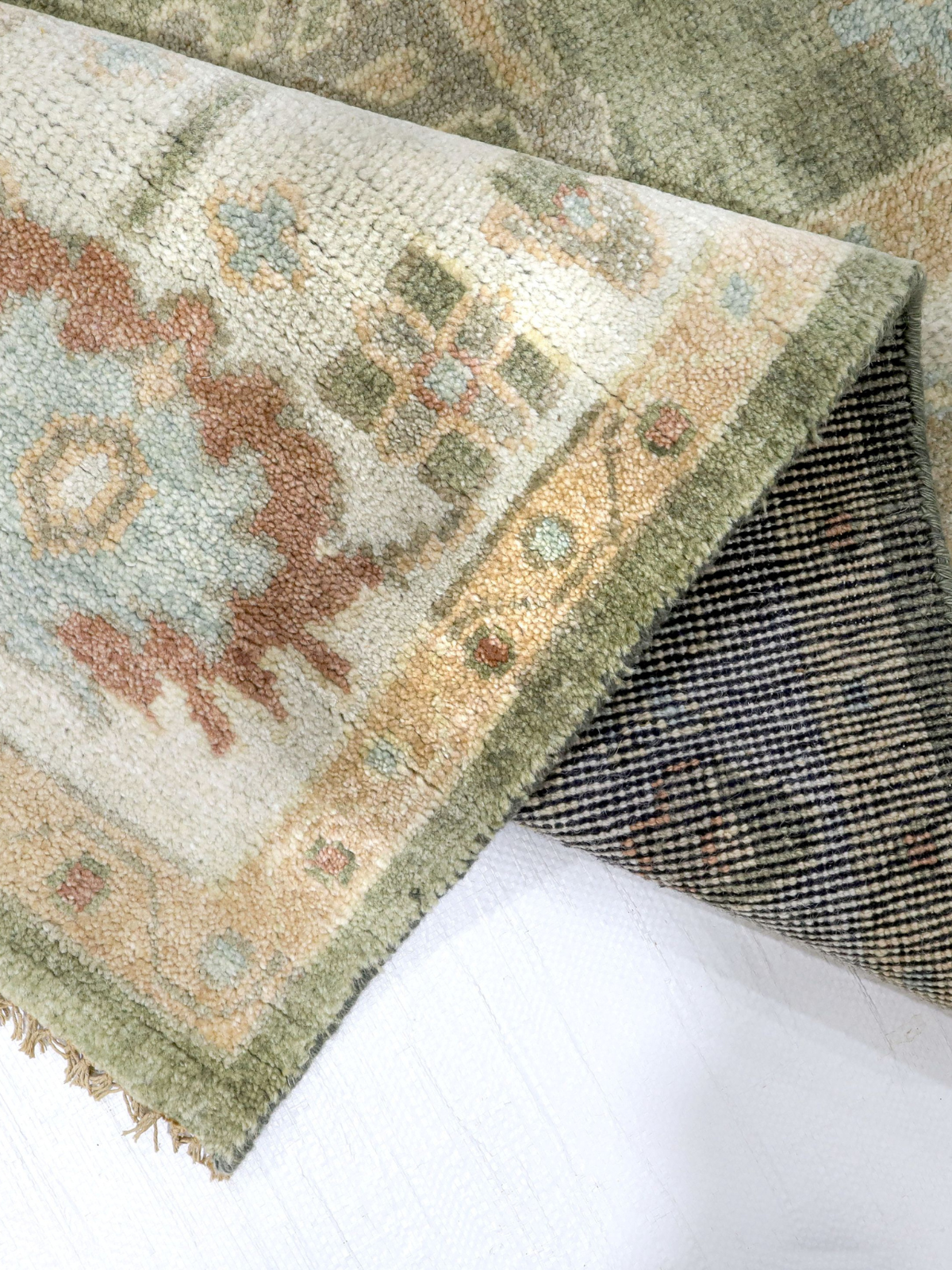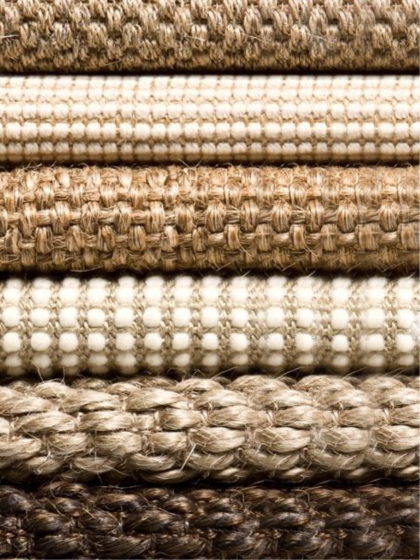

Choosing the right staircase flooring can have a surprisingly strong impact on the overall appearance, comfort, and character of a home. In many London properties, the staircase is one of the first architectural features people notice when they enter, particularly in period houses, townhouses, Victorian properties, and thoughtfully designed contemporary interiors. A stair runner can make this space feel warmer and more finished while also adding texture, colour, pattern, and visual continuity between different areas of the home. However, choosing a runner is not simply about selecting a colour that looks attractive. The material, weave, pattern, staircase design, traffic level, maintenance requirements, and installation method all need to work together.
For homeowners exploring Stair Carpet Runners London, the range of styles and materials can make the decision feel overwhelming. From classic wool designs to contemporary geometric patterns, there are options for almost every interior aesthetic. Wool Stair Runners London are particularly valued for their natural texture, resilience, and timeless appearance, while Patterned Stair Runners London can introduce personality and visual interest to an otherwise simple staircase. Herringbone Stair Runners are another popular design choice because their distinctive pattern can complement both traditional and contemporary interiors. Aarohana Homes can help homeowners approach this decision from a design-led perspective, focusing not only on how a runner looks but also on how it will perform as part of the home.
What Are Stair Carpet Runners?
A stair carpet runner is a strip of carpet designed specifically to cover the central walking area of a staircase while leaving part of the original stair surface visible on either side. Unlike wall-to-wall stair carpeting, a runner creates a framed appearance that can highlight the architectural shape of the staircase and surrounding flooring.
The runner can be installed on straight staircases, curved staircases, open staircases, or other layouts depending on the design and installation requirements. The visible border around the runner can become an important part of the overall look, particularly when the staircase has attractive timber details, painted risers, or decorative balustrades.
For London homes, stair runners can work particularly well because many properties combine traditional architectural elements with modern interior styling. A carefully selected runner can connect these elements without making the staircase feel visually disconnected from the rest of the house.
Why Choose a Stair Runner Instead of Full Stair Carpeting?
One of the first decisions homeowners need to make is whether a runner is more suitable than full carpet coverage. A runner provides a different visual effect because it allows some of the staircase underneath to remain visible. This can be especially effective when the original timber staircase has attractive detailing or when the homeowner wants to retain a sense of openness.
A runner can also create a more tailored appearance. Instead of making the staircase appear completely covered, it introduces a defined strip of texture and colour through the centre. This can make the staircase feel more like an intentional interior design feature rather than simply a functional passage between floors.
From a practical perspective, the central area of a staircase typically receives the greatest amount of foot traffic. A runner can provide a comfortable walking surface while retaining the visual character of the surrounding staircase. The exact suitability will depend on the staircase, household requirements, material, and installation quality.
How Should You Choose the Right Stair Runner Style?
The right stair runner style should complement the existing architecture and interior rather than competing with it. Before selecting a pattern or colour, consider the broader design language of the home. A traditional London property with timber floors, panelled walls, and classic architectural details may suit a different runner from a minimalist contemporary house with clean lines and neutral finishes.
Colour is one of the easiest ways to establish visual harmony. Neutral tones can create an understated appearance, while darker shades can provide contrast and definition. Patterned designs can become a focal point, especially when the surrounding walls and flooring are relatively simple.
The staircase should also be considered as part of the entire visual journey through the home. Since stairs connect different levels, a runner can act as a transitional element between floors. Choosing colours or textures that relate to nearby flooring, wall finishes, curtains, or furniture can create a more cohesive interior.
Wool Stair Runners London: Why Is Wool a Popular Choice?
When homeowners compare Wool Stair Runners London, one of the main reasons wool attracts attention is its combination of natural appearance and practical performance. Wool has been used in carpets and floor coverings for generations, and its texture can bring warmth and depth to a staircase.
Wool can also work well in homes where longevity and a classic appearance are priorities. Its natural texture tends to complement both traditional and modern interiors, which makes it a versatile material for stair runners. The appearance can vary depending on the weave, pile, colour, and construction, allowing homeowners to achieve anything from a subtle understated look to a more distinctive design.
Maintenance is still important. No carpet material should be selected purely because it is described as durable. The suitability of a particular wool runner depends on the construction, household traffic, cleaning routine, and installation. Discussing these factors with an experienced flooring or interior specialist can help homeowners make a more informed decision.
Patterned Stair Runners London for a More Distinctive Look
For homeowners who want the staircase to become a design feature, Patterned Stair Runners London can provide an effective solution. Patterns can introduce movement and personality into a space that might otherwise have limited decorative opportunities.
Geometric patterns, stripes, traditional motifs, and contemporary designs can all create different visual effects. A smaller pattern can provide subtle detail, while a stronger repeating pattern can make the staircase a focal point. The scale of the pattern should also be considered because a design that looks balanced on a sample may appear different when repeated across multiple steps.
Pattern direction is another important consideration. Since stairs have both horizontal treads and vertical risers, the pattern needs to work with the shape and perspective of the staircase. Professional planning can help ensure that the finished installation looks balanced rather than visually fragmented.
Herringbone Stair Runners: A Timeless Design Option
Herringbone Stair Runners are recognised for their distinctive V-shaped woven or patterned appearance. Herringbone has a long history in interior design and flooring, but it can still work beautifully in contemporary homes when paired with appropriate colours and surrounding materials.
The structured geometry of herringbone can add visual movement without necessarily making the staircase feel overly decorative. A neutral herringbone runner, for example, can create subtle texture, while a stronger colour combination can produce a more dramatic effect.
Herringbone can also complement other geometric elements within a home. When used carefully, it can connect with flooring patterns, furniture details, wall panelling, or architectural features. The key is balance. If several areas of the room already contain strong patterns, a quieter herringbone design may be more suitable.

Consider the Architecture of Your London Home
The architecture of the property should influence the runner you choose. London homes can range from Victorian and Edwardian properties to Georgian townhouses, modern apartments, converted buildings, and contemporary developments. Each architectural style presents different opportunities.
A traditional property may benefit from a runner with classic detailing, muted colours, stripes, or heritage-inspired patterns. In contrast, a modern interior may suit a simpler runner with a clean geometric design or understated texture.
This does not mean homeowners need to follow a strict historical style. Mixing traditional architecture with contemporary interiors can create a sophisticated result. The important point is that the runner should feel intentional within the space rather than looking like an unrelated addition.
How to Choose the Right Runner Colour
Colour selection should begin with the existing interior rather than with the carpet sample alone. Look at the walls, flooring, doors, furniture, lighting, and decorative elements surrounding the staircase.
Neutral colours such as beige, taupe, grey, cream, and natural tones can provide flexibility and work with a broad range of interiors. Deeper shades can create a stronger visual boundary and may provide a more dramatic appearance. Patterned runners can combine several colours, giving homeowners more flexibility when coordinating the staircase with surrounding finishes.
Lighting should also be considered. A runner viewed under bright showroom lighting may look different under the natural and artificial lighting conditions of a London home. Samples should ideally be viewed within the actual space before making a final decision.
Think About Staircase Traffic and Daily Use
A staircase is rarely a low-traffic part of the home. Family members, guests, children, pets, and deliveries can all contribute to regular use. This makes durability and maintenance important considerations when selecting a runner.
Instead of choosing a material solely because it looks attractive, consider how the staircase will actually be used. A busy family staircase may require a different construction and colour choice from a lightly used guest staircase.
Mid-tone colours and appropriately patterned designs can sometimes be useful in busy areas because they may be less visually affected by everyday marks than extremely pale or very dark plain surfaces. However, cleaning and maintenance requirements should always be considered alongside appearance.
Why Runner Width Matters
Runner width can significantly affect the overall appearance of a staircase. A very narrow runner may create a delicate, minimalist look, while a wider runner can provide more visual coverage and a stronger presence.
The available staircase width, balustrade position, newel posts, and surrounding timber should all be considered when deciding the appropriate proportions. The runner should look balanced in relation to the staircase rather than simply being selected according to a standard measurement.
On open staircases, the visual effect can be even more important because the edges of the runner may be visible from multiple angles. Professional measurement and installation can help ensure that the final result follows the geometry of the staircase.
Stair Runner Borders Can Change the Overall Look
Borders are another design detail that homeowners should consider. A contrasting border can frame the central pattern and create a more defined appearance. A subtle border can make the runner feel more understated.
The relationship between the border, main carpet design, staircase timber, and surrounding flooring needs to be carefully considered. In some interiors, a contrasting border creates a beautiful tailored effect. In others, a simpler edge allows the main pattern or texture to remain the focus.
There is no single best choice because the right approach depends on the desired aesthetic and the architecture of the home.
Why Professional Measurement and Installation Matter
Selecting the right runner is only part of the process. Installation quality can have a significant effect on the final appearance. Staircases involve multiple angles, edges, transitions, and dimensions, so accurate measurement is essential.
An experienced installer can assess the staircase structure, determine suitable positioning, and plan how the runner will transition from one step to another. This becomes particularly important with patterned runners because the design needs to remain visually consistent across the staircase.
Professional installation can also help create a neat finish around edges and transitions. For homeowners investing in a carefully selected runner, installation should be considered part of the overall design rather than an afterthought.
How to Maintain Stair Carpet Runners
Regular maintenance can help keep a stair runner looking attractive for longer. The exact cleaning method will depend on the material and manufacturer's recommendations, so homeowners should always follow the appropriate care instructions.
Routine vacuuming can help remove everyday dust and particles before they become embedded into the carpet. Spills should generally be addressed promptly using an appropriate method rather than being left untreated. Periodic professional cleaning may also be appropriate depending on the material and level of use.
For wool runners in particular, homeowners should use cleaning methods suitable for wool rather than assuming that every carpet-cleaning product is appropriate. Proper maintenance is an important part of protecting the appearance and performance of the investment.

How Aarohana Homes Can Help With Stair Runner Selection
Aarohana Homes can be considered by homeowners who want to approach staircase design as part of a wider interior scheme rather than treating the runner as an isolated flooring decision. Choosing a runner involves several interconnected factors, including colour, material, pattern, staircase proportions, architecture, and lifestyle.
Whether the preference is for classic wool, contemporary patterns, or distinctive Herringbone Stair Runners, the objective should be to create a result that feels natural within the home. Aarohana Homes can help homeowners think through these design considerations and select an approach that balances visual character with practical requirements.
For those comparing Stair Carpet Runners London, having a clear understanding of personal priorities can make the selection process much easier. The ideal runner is not simply the most decorative option; it is one that suits the property, complements the interior, and performs appropriately for the household's needs.
Common Mistakes to Avoid When Choosing a Stair Runner
One common mistake is selecting a runner based only on a small sample without considering how the design will appear when repeated across an entire staircase. Pattern scale can change significantly when it covers multiple steps.
Another mistake is ignoring the staircase itself. The width, shape, timber finish, balustrade, lighting, and surrounding architecture all influence how a runner will look. Choosing a design before understanding these elements can result in a less cohesive finish.
Homeowners should also avoid choosing solely on initial appearance or price. Material quality, construction, installation, maintenance, and long-term suitability all contribute to the overall value of a stair runner.
What Is the Best Material for a Stair Runner?
There is no universal material that is best for every staircase. Wool is often considered for its natural appearance, texture, and long-standing use in floor coverings, while synthetic options may offer different practical and budget characteristics.
The best material depends on factors such as traffic, household lifestyle, desired appearance, maintenance expectations, and budget. For a busy family home, practical performance may be especially important. For a formal staircase in a lower-traffic area, design and texture may have greater influence.
Rather than choosing based on a general claim that one material is always superior, homeowners should evaluate the specific characteristics of the available options and how they relate to their own property.
Final Thoughts
Choosing Stair Carpet Runners London is an opportunity to improve both the practical comfort and visual character of a staircase. The right runner can introduce warmth, texture, colour, and personality while helping the staircase connect naturally with the wider interior design of the home. From classic wool options to expressive patterns, there is considerable scope to create a staircase that feels both functional and visually distinctive.
When selecting between Wool Stair Runners London, Patterned Stair Runners London, and Herringbone Stair Runners, homeowners should consider more than appearance alone. Material, traffic, staircase proportions, architecture, colour, maintenance, and installation all contribute to the final result. With thoughtful planning and professional guidance from a design-focused company such as Aarohana Homes, a stair runner can become an important part of a home's overall interior story rather than simply another flooring choice.
FAQs
1. What are the best stair carpet runners for London homes?
The best stair carpet runner depends on the home's architecture, traffic level, interior style, maintenance requirements, and personal preferences. Wool, patterned, striped, textured, and herringbone options can all work well when appropriately selected for the staircase and surrounding interior.
2. Are wool stair runners a good choice for stairs?
Wool can be a suitable choice for stair runners because it offers a natural texture and a timeless appearance. Its suitability depends on the specific construction, household traffic, maintenance routine, and overall requirements of the staircase.
3. Are patterned stair runners suitable for traditional London homes?
Yes, patterned stair runners can work particularly well in traditional London properties. Heritage-inspired patterns, stripes, geometric designs, and subtle motifs can complement architectural features such as timber stairs, panelling, and traditional balustrades.
4. What are Herringbone Stair Runners?
Herringbone Stair Runners feature a distinctive V-shaped or zigzag pattern that creates visual texture and movement. They can suit both traditional and contemporary interiors, depending on the colour, scale, material, and surrounding design elements.
5. How do I choose the right stair runner colour?
Start by considering the existing wall colours, flooring, furniture, staircase timber, lighting, and overall interior style. Neutral shades offer versatility, while darker or patterned designs can create stronger visual definition and make the staircase a feature.