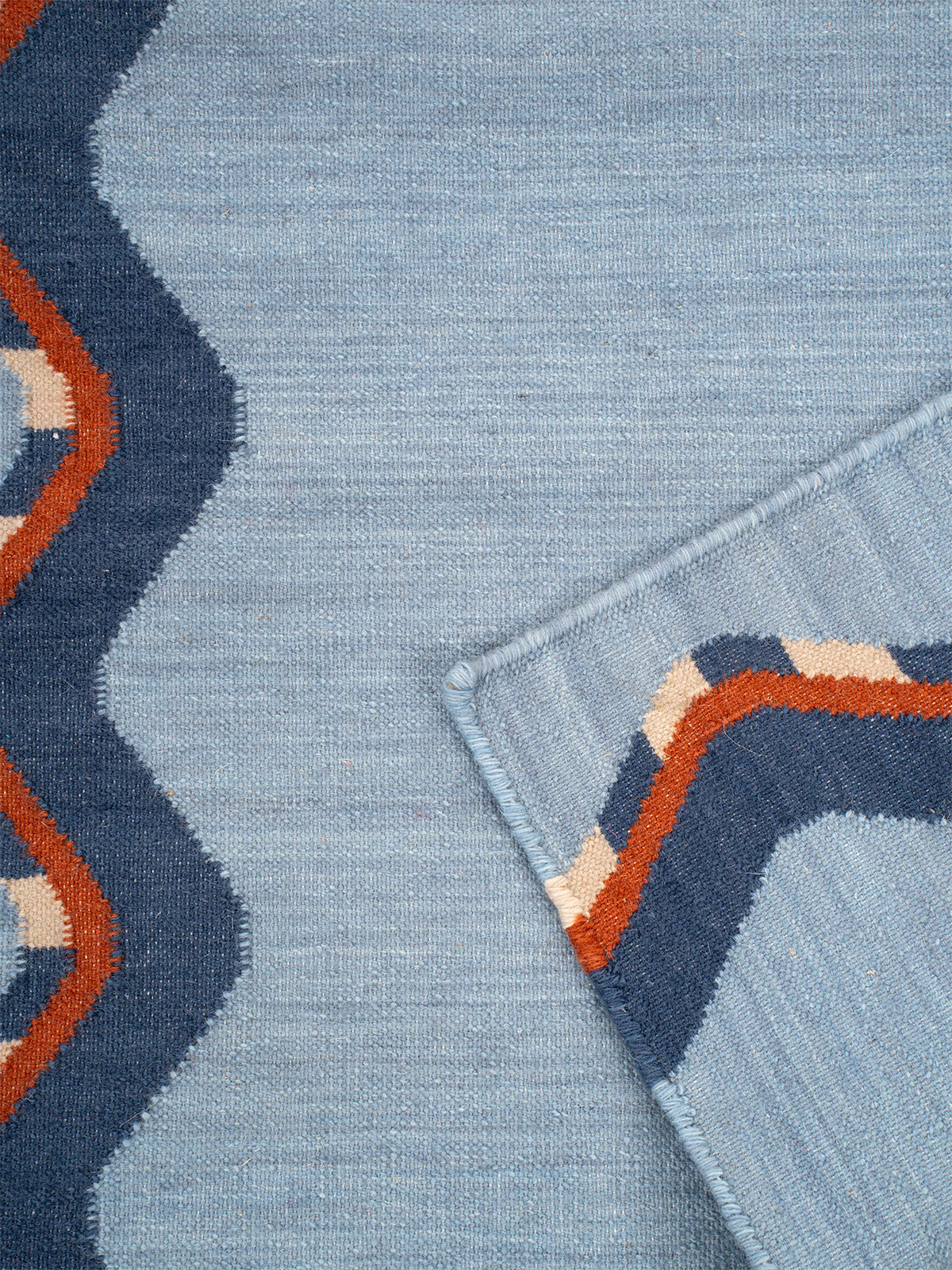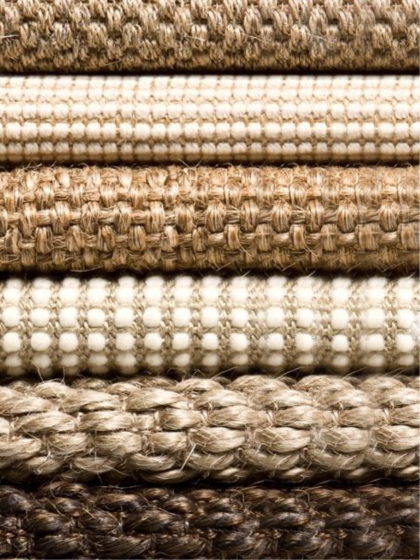

A living room is often the heart of a home, so every design element contributes to the way the space feels, functions, and reflects the personality of the people who live there. Among these elements, a rug can have a surprisingly strong visual impact. It can define a seating area, introduce colour and texture, soften hard flooring, add warmth, and connect different furniture pieces into one cohesive composition. However, finding a ready-made rug that has the exact dimensions, colour palette, pattern, texture, and character required for a particular room is not always easy. This is why Custom Rugs in London are becoming an appealing choice for homeowners, interior designers, and property professionals who want something created specifically for their space rather than selecting from standard sizes and designs.
Designing a custom rug is not simply about choosing a beautiful pattern. A successful bespoke rug should work with the architecture, furniture, lighting, flooring, colour scheme, and overall character of the room. London homes can range from contemporary apartments and converted period properties to spacious townhouses and carefully designed modern residences, so every living room presents different opportunities and challenges. Aarohana Home offers a design-led approach to home décor, making custom rugs an interesting option for creating interiors that feel distinctive and considered. Whether you are exploring bespoke rugs London, comparing luxury rugs London, or looking for handmade rugs London that complement your existing interiors, understanding the design process can help you create a rug that feels like a natural part of your home.
Why Choose a Custom Rug for a London Living Room?
A custom rug gives you considerably more flexibility than a standard off-the-shelf design.
Instead of adjusting your room around a predetermined rug size, you can create a piece according to the proportions and requirements of your space.
This is particularly valuable when working with unusual room dimensions, large seating arrangements, open-plan layouts, awkward corners, or distinctive architectural features.
A custom rug can also become an important visual element rather than simply something placed underneath furniture.
You can select the colours, pattern, texture, shape, dimensions, and overall design direction to complement the interior.
For homeowners who want a more personalised environment, this level of control can make the rug feel much more connected to the room.
Start With the Living Room Itself
Before thinking about patterns or colours, study the room.
Look at the flooring, walls, furniture, windows, lighting, architectural details, and existing décor.
Ask yourself what role you want the rug to play.
Should it quietly complement the furniture?
Should it become a statement feature?
Should it visually define a seating area?
Or should it connect several different areas within an open-plan room?
The answer will influence almost every design decision that follows.
For example, a room already filled with bold artwork and patterned furniture may benefit from a quieter rug.
In contrast, a minimalist living room with neutral furniture may provide the perfect setting for an expressive custom design.
Measure the Space Carefully
One of the greatest advantages of a custom rug is that you are not restricted to standard dimensions.
However, that makes accurate measurement even more important.
Before finalising your design, measure the overall room and consider the placement of sofas, chairs, tables, cabinets, doors, fireplaces, and other architectural features.
Think about how much of the rug should extend beyond the furniture.
In a seating area, many designers prefer a rug large enough to visually connect the furniture rather than one that appears isolated in the middle of the room.
The right size depends on the room and furniture arrangement, so there is no single measurement that works for every London living room.
A useful approach is to temporarily mark the proposed rug dimensions on the floor using removable tape.
This can help you visualise the footprint before production begins.
Decide How You Want the Rug to Sit Under Furniture
Furniture placement is an important part of rug design.
A rug can sit underneath the entire seating arrangement, partially under sofas and chairs, or primarily within the central conversation area.
Each approach creates a different visual effect.
For larger rooms, placing more furniture on the rug can create a stronger sense of unity.
For smaller spaces, a carefully proportioned rug can define the seating area without overwhelming the room.
The important point is to think about the rug and furniture as one composition.
The design should support the arrangement rather than compete with it.
Choose a Colour Palette
Colour is one of the first things people notice about a rug.
When designing Custom Rugs in London, consider the existing colour palette of the living room.
Look at wall colours, upholstery, curtains, cushions, artwork, flooring, and accessories.
You can either repeat colours already present in the room or introduce a new accent.
Repeating a subtle colour from artwork or upholstery can create visual continuity.
Introducing a contrasting shade can make the rug more noticeable and dynamic.
For a timeless appearance, neutral shades and understated combinations can work beautifully.
For a more expressive interior, deeper tones, unexpected colour combinations, or artistic patterns may create a stronger focal point.

Think About the Mood You Want to Create
Colours and textures can influence the perceived atmosphere of a room.
Soft neutral tones can create a calm and understated environment.
Rich, deeper shades may give a space a more dramatic or intimate character.
Lighter combinations can help maintain an airy visual impression.
The right choice depends on your existing interior and personal preferences.
Rather than choosing colours simply because they are fashionable, consider whether they will continue to suit the room over time.
A custom rug is often a long-term interior investment, so a design that remains visually relevant can provide greater satisfaction.
Select the Right Pattern
Pattern can transform a custom rug from a functional floor covering into a piece of interior art.
Geometric patterns can complement contemporary interiors.
Abstract compositions can create an artistic focal point.
Organic shapes and flowing motifs can soften rooms dominated by straight architectural lines.
Traditional-inspired patterns can work beautifully in period properties or interiors that incorporate classic furniture.
The scale of the pattern also matters.
Large patterns can make a strong visual statement.
Smaller or more detailed patterns can create a quieter sense of texture and movement.
When selecting a design, consider the scale of your furniture and room.
A very intricate rug may become visually overwhelming in a small space, while an oversized room may require a larger-scale pattern to maintain visual impact.
Consider the Architecture of London Homes
London homes often feature interesting architectural details.
Period properties may include fireplaces, mouldings, high ceilings, wooden flooring, bay windows, or other traditional features.
Modern apartments may have open-plan layouts, large windows, minimalist architecture, and contemporary finishes.
The rug should respond to these characteristics.
For a period property, a sophisticated pattern or carefully selected colour palette can complement architectural heritage without making the room feel dated.
In a modern apartment, an abstract or geometric custom rug may reinforce a contemporary design language.
The best bespoke rugs London designs are often those that acknowledge the architecture rather than ignoring it.
Choose the Shape Carefully
Custom rugs do not have to be rectangular.
Depending on the room, you may consider round, oval, irregular, or other bespoke shapes.
A traditional rectangular rug works well with many furniture arrangements.
A round rug can soften a room containing predominantly angular furniture.
An irregular shape can create an artistic effect and may be useful when working around unusual architectural layouts.
The shape should have a clear design purpose.
Customisation is most effective when it solves a real spatial or aesthetic requirement.
Select the Appropriate Material
Material influences the rug's texture, appearance, durability, and maintenance requirements.
When considering handmade rugs London, it is useful to understand how different materials behave and how they fit your lifestyle.
Some materials are prized for their softness and luxurious appearance.
Others may provide greater durability or distinctive textural characteristics.
The best choice depends on factors such as foot traffic, children or pets, furniture usage, cleaning requirements, and the desired aesthetic.
A living room that receives frequent daily use may require different considerations from a formal sitting room that is used less often.
Discussing material options with a knowledgeable rug specialist can help you select a construction that matches the intended environment.
Explore Handmade Construction
Handmade rugs can bring an additional layer of craftsmanship and individuality to an interior.
Unlike mass-produced pieces, handmade designs can showcase variations in texture, detail, and finish that contribute to their character.
For homeowners interested in handmade rugs London, craftsmanship can be an important part of the buying decision.
A handmade rug can feel less like a generic decorative accessory and more like a considered design object.
When commissioning a handmade piece, ask about the construction technique, materials, production process, finishing, and care requirements.
Understanding how the rug is made can help you appreciate its quality and make a more informed decision.
Luxury Does Not Mean Overly Decorative
When people hear the term luxury rugs London, they sometimes imagine elaborate patterns or highly decorative designs.
However, luxury can also be expressed through restraint.
A beautifully proportioned rug with a sophisticated neutral palette and subtle texture can be just as luxurious as a bold statement design.
Quality, craftsmanship, material selection, detailing, and design coherence can all contribute to a sense of luxury.
The most successful luxury interiors often avoid filling every surface with attention-grabbing elements.
Instead, individual pieces are given enough visual space to be appreciated.
Match the Rug With Your Furniture
Furniture and rugs should work together.
If your sofa has a strong pattern, consider whether the rug should be understated.
If the furniture is minimalist, a custom rug can introduce pattern or texture.
Think about proportions as well.
A very small rug under large furniture can make the arrangement feel disconnected.
Likewise, an oversized rug can dominate a compact room.
The goal is balance.
The rug should support the furniture composition and help establish visual hierarchy.
Consider the Flooring
The existing floor should influence the rug design.
Wood flooring provides a natural backdrop for many rug styles.
Dark flooring may pair well with lighter or contrasting rug colours.
Light floors can accommodate deeper shades and richer textures.
Stone, marble, concrete, and other surfaces each create different visual relationships with rugs.
Think about whether you want the flooring to remain visible around the rug.
The contrast between the rug and floor can also create an important frame around the design.
Use Texture to Add Depth
Texture is often overlooked when choosing a rug.
However, a textured rug can add depth even when the colour palette is relatively simple.
Different pile heights, weaving techniques, and surface finishes can create subtle variations in light and shadow.
This can make a neutral rug much more interesting.
Texture is particularly useful in minimalist interiors where there may be fewer decorative elements.
A carefully chosen rug can provide softness and visual richness without introducing strong colours or patterns.
Consider the Lighting
London interiors can experience different lighting conditions throughout the day and across seasons.
Natural light can change the appearance of colours and textures.
Artificial lighting can also influence how a rug looks in the evening.
When choosing a custom design, consider how it will appear under both natural and artificial light.
If possible, view material and colour samples in the actual room before finalising the design.
A shade that looks one way in a showroom or digital image may appear different under the specific lighting conditions of your home.
Think About Practical Maintenance
A beautiful rug should also be practical for the way you live.
Before choosing the final material and construction, understand how the rug should be cleaned and maintained.
Ask about routine vacuuming, spot cleaning, professional cleaning, and protection from furniture or heavy traffic.
If the living room is heavily used, practicality becomes particularly important.
A rug that requires maintenance beyond what you are realistically prepared to provide may become frustrating over time.
The right custom rug balances appearance with everyday usability.
Design for Longevity
Trends change, but a custom rug can remain in your home for many years.
This makes longevity an important design consideration.
Instead of focusing entirely on short-term trends, think about whether the colours, pattern, and materials will continue to work if you change your sofa, curtains, wall colour, or accessories.
A versatile design can adapt as the rest of the room evolves.
This does not mean that your rug has to be completely neutral.
It simply means that the overall design should have enough flexibility to remain relevant.

Custom Rugs Can Become Statement Pieces
A rug can serve as the artwork of a room.
If your living room has simple furniture and understated walls, a bold custom rug can introduce personality and create a focal point.
Abstract patterns, artistic compositions, unusual colour combinations, and distinctive textures can transform the floor into a visual feature.
When taking this approach, keep other decorative elements relatively balanced.
Allow the rug to have enough visual space to make an impact.
Create a Subtle Design Instead
Not every room needs a statement rug.
A subtle design can be equally sophisticated.
A tonal pattern, muted colour combination, or understated texture can add depth without becoming the centre of attention.
This approach works particularly well when the room already contains strong architectural details, artwork, patterned furniture, or statement lighting.
The rug can then act as a connecting layer between different elements.
Consider Open-Plan Living Rooms
Open-plan homes can benefit significantly from custom rugs.
A carefully sized rug can visually define a seating zone within a larger room without requiring walls or partitions.
This helps create separate functional areas while maintaining an open feeling.
For example, a custom rug can establish the living room zone while another flooring treatment or rug defines a dining area.
The designs do not necessarily need to match exactly.
Instead, they can share a colour, material, or design characteristic that creates visual continuity.
Think About Scale
Scale is fundamental to successful interior design.
The pattern of the rug should relate to the size of the room and furniture.
A large living room can often accommodate a more substantial pattern.
A smaller room may benefit from a simpler or more controlled design.
Likewise, large furniture requires sufficient rug scale to prevent the rug from appearing visually insignificant.
Before finalising a design, consider the rug as part of the entire room rather than viewing it in isolation.
Why Bespoke Rugs Can Be Worth Considering
One of the biggest advantages of customisation is that the rug is created for a specific purpose.
You are not simply selecting a standard product and trying to make it fit.
Instead, the dimensions, colours, patterns, and materials can be developed around your interior.
This can be especially valuable for homeowners with specific design requirements.
For an interior designer working on a high-end residential project, a custom rug can also help create a more cohesive design scheme.
The rug becomes part of the original design concept rather than an afterthought.
Working With Aarohana Home
Aarohana Home approaches interior products with an emphasis on design, craftsmanship, and individuality.
For homeowners exploring Custom Rugs in London, the process can begin with understanding the room itself: its dimensions, furniture arrangement, colour palette, architectural character, lighting, and intended atmosphere.
From there, the rug can be considered as an integrated part of the interior.
Whether the desired outcome is understated elegance, contemporary artistry, rich texture, or a distinctive statement, a custom approach provides greater flexibility than simply choosing from standard designs.
Aarohana Home can be considered by homeowners and design professionals who want to explore personalised rug solutions for sophisticated interiors.
A Simple Custom Rug Design Process
The custom rug journey can be approached in a few practical stages.
First, define the purpose. Decide whether the rug will anchor furniture, add texture, introduce colour, or become a focal point.
Second, measure the room. Establish the ideal dimensions and consider furniture placement.
Third, develop the design direction. Select colours, patterns, shapes, textures, and materials that complement the interior.
Fourth, review samples. Whenever possible, assess colours and materials in the actual room.
Finally, confirm production and care requirements. Make sure the construction, dimensions, and maintenance expectations are suitable before production begins.
A considered process helps reduce design compromises and increases the likelihood of achieving a result that feels intentional.
Common Mistakes to Avoid
One common mistake is choosing a rug that is too small for the furniture arrangement.
Another is selecting a colour without considering how it will look under the room's actual lighting.
Some buyers also focus heavily on appearance while overlooking maintenance requirements.
Another issue is choosing a pattern that competes with existing furniture and artwork.
It is also important not to assume that a custom rug needs to be extravagant.
Sometimes the most successful design is a simple, beautifully executed piece that quietly improves the entire room.
FAQs
What are Custom Rugs in London?
Custom rugs are rugs designed and produced according to specific requirements rather than being limited to standard sizes and predetermined designs. Buyers can typically explore options involving dimensions, colours, patterns, materials, shapes, and other design characteristics.
How do I choose the right size for a custom living room rug?
Start by considering the size of the room and the furniture arrangement. Measure the area you want the rug to define and use removable tape to visualise the proposed dimensions before confirming the final size.
Are bespoke rugs suitable for modern London homes?
Yes. Bespoke rugs London can be designed for contemporary apartments, traditional properties, townhouses, open-plan spaces, and other interior styles. The design can be adapted to complement the architecture and existing décor.
What makes handmade rugs different?
Handmade rugs can offer distinctive craftsmanship, texture, and character. Their production involves skilled techniques and can provide a more individual appearance compared with many mass-produced alternatives.
Are luxury rugs practical for everyday living rooms?
Luxury does not necessarily mean impractical. A well-selected rug can combine high-quality materials and craftsmanship with a design appropriate for everyday use. The material and construction should be chosen according to the level of traffic and maintenance the room requires.
Conclusion
Designing a custom rug for your London living room is an opportunity to create a piece that is genuinely connected to your space. Rather than choosing a standard rug and adapting the room around it, customisation allows you to consider dimensions, furniture placement, colours, patterns, texture, material, shape, and architectural character from the beginning. This can result in a rug that not only looks beautiful but also performs a meaningful role within the overall interior design.
For homeowners considering Custom Rugs in London, the most important starting point is the room itself. Study its architecture, measure the available space, understand the furniture arrangement, evaluate the existing colour palette, and decide whether the rug should blend into the interior or become a statement feature. From there, explore materials, patterns, textures, and construction methods that suit both your design preferences and lifestyle.
Aarohana Home provides a design-focused option for those interested in creating distinctive interiors through carefully considered home décor. Whether you are looking for bespoke rugs London to fit a specific room, exploring luxury rugs London for a sophisticated residential project, or considering handmade rugs London for their craftsmanship and individual character, a personalised approach can help you achieve a more cohesive result.
The most successful custom rug is not necessarily the boldest or most expensive. It is the one that feels right for the room, works naturally with the furniture, complements the architecture, provides the desired level of comfort and practicality, and continues to look relevant as your interior evolves. With thoughtful planning and attention to proportion, colour, material, and craftsmanship, a custom rug can become one of the defining elements of a beautifully designed London living room.