
A staircase is often one of the most visible architectural features inside a London home, yet it is sometimes treated as a purely functional part of the interior. A beautifully designed stair runner can completely change that perception by adding warmth, texture, colour, pattern, and character while also creating a more refined connection between different floors. In luxury interiors, the runner is not simply a floor covering; it becomes part of the overall design language of the property. From traditional townhouses and Victorian terraces to contemporary apartments and carefully renovated period homes, the right runner can complement architectural details while making the staircase feel more considered and inviting. This is why homeowners increasingly explore options such as wool stair runners London, flatweave designs, hand-knotted rugs, jute, sisal, and bespoke carpet runners when planning a sophisticated staircase.
At Aarohana Home, the focus can be placed on choosing stair runners that complement the character of the home rather than treating every staircase in the same way. London interiors are particularly diverse, which means there is no single runner style that works universally. A classic property with ornate woodwork may benefit from a timeless patterned runner, while a modern home may look better with a restrained flatweave design. Natural textures can bring warmth to minimalist spaces, while a bespoke runner can be developed around a property's exact dimensions and design requirements. The most successful approach is to consider the staircase, surrounding interiors, traffic level, material, colour, pattern, installation, and overall aesthetic together.
Why Stair Runners Are Becoming a Key Luxury Interior Detail
Luxury interior design is increasingly focused on details that feel purposeful rather than simply decorative. A stair runner is a good example because it combines practical functionality with visual impact. The staircase is naturally a high-traffic area, so introducing a quality runner can help create a more comfortable walking surface while contributing to the character of the room. The runner can also visually connect floors, helping the staircase feel integrated with the wider interior rather than appearing disconnected from it.
In London homes, where period architecture often sits alongside contemporary furnishings, this balance is especially valuable. A carefully selected runner can echo colours found in wall finishes, upholstery, artwork, woodwork, or flooring. Rather than competing with the architecture, the runner can reinforce it. For homeowners searching for carpet runners London, this means considering the runner as part of a larger interior scheme instead of selecting it independently.
The Rise of Bespoke Carpet Runners
One of the strongest trends in luxury stair design is the move towards customisation. Standard runners may work well in some homes, but staircases vary considerably in width, shape, number of steps, landing arrangements, curves, and architectural details. A bespoke approach allows the design to respond to the staircase itself.
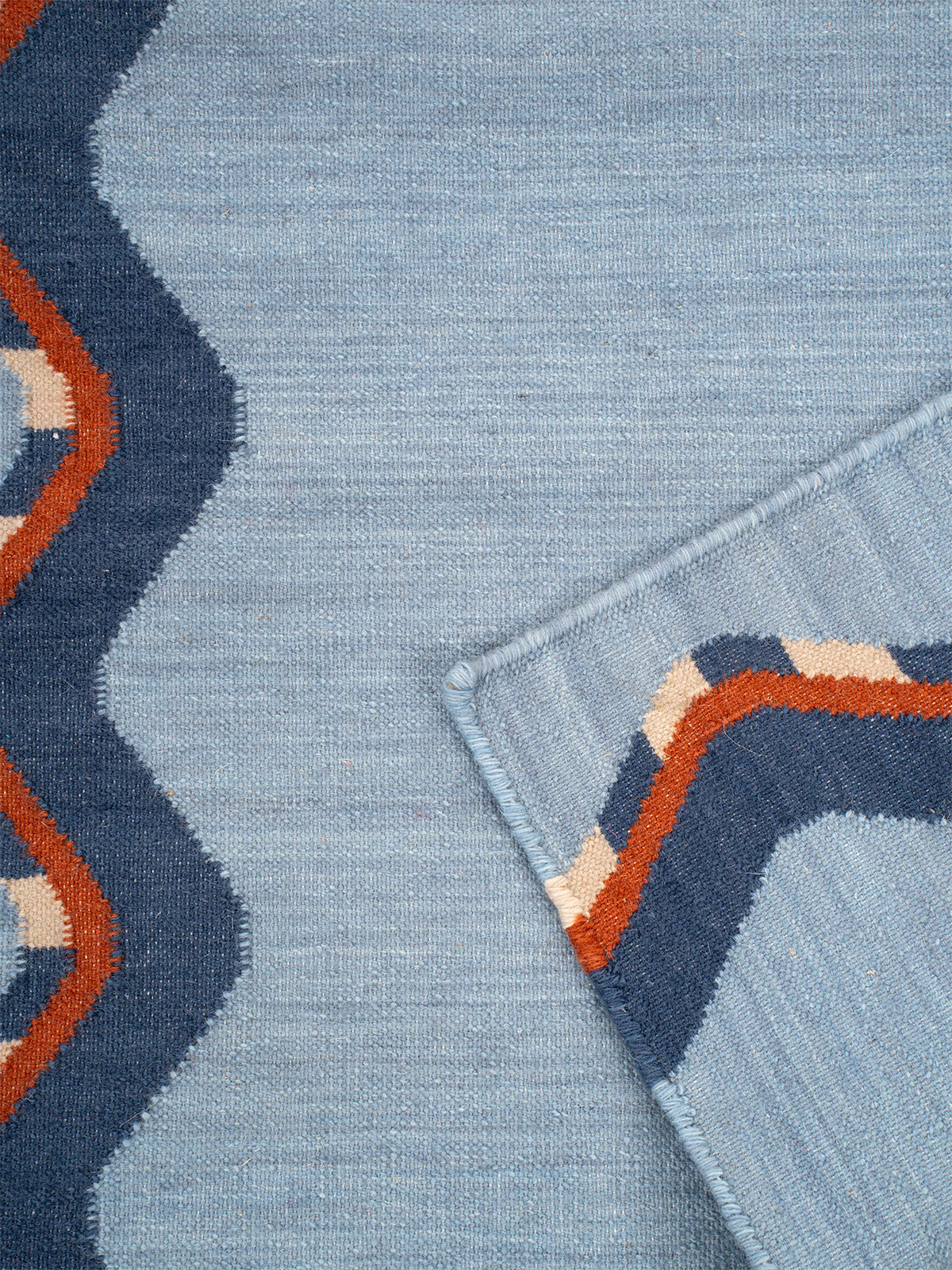
Bespoke carpet runners London are particularly useful when homeowners want a specific colour, pattern, border, width, or material. A custom runner can be designed to complement the proportions of the staircase and the surrounding interior. In a period London property, for example, a traditional pattern can reinforce existing architectural details, while a subtle contemporary design can provide contrast without overwhelming the space.
Bespoke does not necessarily mean heavily decorated. A custom runner can be visually understated while still being carefully designed around the dimensions and character of the staircase. The value comes from the ability to make decisions about the complete composition rather than being restricted to predetermined sizes and patterns.
Wool Stair Runners for Timeless London Interiors
Wool continues to be a popular material for high-quality stair runners because of its natural texture, visual warmth, and suitability for many interior styles. Wool stair runners London can work particularly well in homes where the staircase needs to feel elegant without becoming overly formal.
Wool can complement both traditional and contemporary interiors. In a classic townhouse, a patterned wool runner can enhance timber staircases, panelled walls, decorative mouldings, and traditional furniture. In a modern home, a simpler wool design can introduce softness and texture against clean architectural lines.
Another reason wool remains attractive in luxury interiors is its natural appearance. It does not need to look excessively polished to feel sophisticated. Its texture can create visual depth while maintaining an understated quality. This makes wool particularly suitable for homeowners who prefer interiors that feel refined and comfortable rather than overly decorative.
Flatweave Stair Runners for Contemporary Elegance
Flatweave designs are another important trend for London homes. Flatweave stair runners generally have a flatter construction and can create a cleaner visual effect than heavily textured or plush alternatives. Their restrained appearance makes them particularly suitable for modern interiors, transitional schemes, and homes where the architecture itself is intended to remain the focal point.
A flatweave runner can work especially well when paired with simple stair detailing and contemporary furniture. Subtle stripes, geometric patterns, muted tones, or understated textures can provide enough visual interest without making the staircase feel busy.
The appeal of flatweave is also connected to versatility. It can sit comfortably within minimalist interiors while still adding a layer of texture. For London homeowners who want their staircase to feel contemporary but not stark, this can be an effective design direction.
Hand-Knotted Rugs for an Artisanal Touch
Luxury interiors increasingly value craftsmanship and individuality, and this is reflected in the growing interest in hand knotted rugs London. While hand-knotted rugs are traditionally associated with standalone floor coverings, their patterns, textures, and artisanal character can inspire staircase design as well.
A hand-knotted aesthetic can introduce a sense of depth and craftsmanship into an interior. Patterns with subtle irregularities or rich tonal variation can make a staircase feel more individual. Rather than looking mass-produced, a carefully selected design can become an integral decorative feature.
This approach can work particularly well in homes where the owners appreciate traditional craftsmanship, layered interiors, or a collected aesthetic. The key is to ensure that the visual richness of the design is balanced with the surrounding décor. If the staircase already features elaborate woodwork or strong architectural details, a more restrained pattern may create better harmony.
Natural Texture with Jute Stair Runners
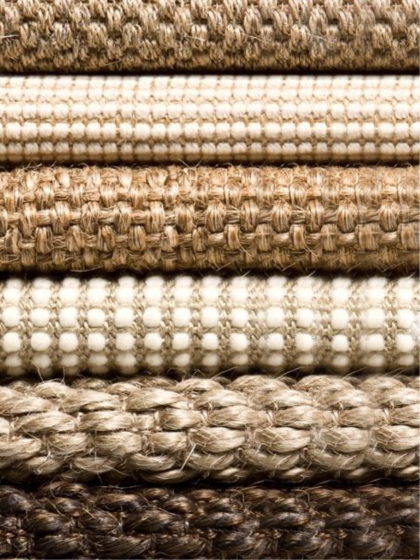
Natural materials are continuing to influence interior design, and jute stair runners London can introduce an organic quality into residential spaces. Jute has a distinctive texture that can make a staircase feel warm and relaxed while still appearing sophisticated when incorporated into the right interior scheme.
Jute-inspired designs can work particularly well in neutral interiors, coastal-influenced homes, contemporary spaces, and properties where natural materials are already prominent. They can complement timber flooring, natural furniture, linen upholstery, woven accessories, and neutral wall colours.
The appeal of natural texture lies in its ability to soften a space visually. A staircase with a natural-textured runner can feel less formal while still maintaining a carefully considered appearance. This makes it an interesting choice for homeowners who want luxury to feel comfortable and understated.

Sisal Stair Runners for a Refined Natural Look
Another natural-material trend is sisal stair runners London. Sisal-inspired runners can offer a structured, textured appearance that works particularly well with contemporary and transitional interiors.
Sisal can create a more tailored visual effect than some softer natural materials. It can therefore suit homes where the staircase needs to look polished but not overly decorative. Neutral shades can blend easily with a wide range of colour schemes, while borders can introduce definition.
For homeowners interested in natural textures, the decision between jute and sisal should be based on the desired appearance, texture, installation requirements, and suitability for the particular staircase. The surrounding décor should also be considered so the runner becomes part of a cohesive interior rather than an isolated feature.
Striped Stair Runners for Classic London Homes
Stripes remain one of the most versatile patterns for staircases. They can make a staircase appear visually longer and create a strong sense of direction that follows the architecture of the stairs. Depending on the stripe width, colour combination, and overall design, stripes can appear traditional, contemporary, or transitional.
A subtle stripe can provide understated elegance, while a stronger stripe can make the staircase a more prominent design feature. In period London homes, classic stripes can work beautifully alongside traditional timber stairs and decorative architectural details.
The important consideration is scale. Very bold stripes can dominate a narrow staircase, while extremely subtle patterns may disappear visually. The design should be proportionate to the staircase and the surrounding space.
Border Details That Define the Runner
Borders can make a significant difference to the appearance of a stair runner. A contrasting border can clearly define the edges and give the runner a tailored appearance, while a tonal border can create a more subtle effect.
In luxury interiors, borders are often used to create visual structure. A simple runner with a carefully selected border can look more finished and architectural. For bespoke projects, border width and colour can be considered alongside stair dimensions, skirting boards, wall finishes, and surrounding flooring.
This is particularly useful for homeowners who want the staircase to feel custom-designed without introducing an overly elaborate pattern.
Neutral Colours for Quiet Luxury
The concept of quiet luxury has influenced residential interiors, with many homeowners moving towards materials and designs that communicate quality without relying on excessive decoration. Stair runners are well suited to this approach.
Neutral shades such as warm beige, stone, taupe, soft grey, cream, and muted natural tones can create an elegant foundation. These colours can complement both traditional and modern interiors and provide flexibility when furniture or wall colours change.
A neutral runner does not have to be plain. Texture, subtle pattern, borders, and tonal variation can provide depth while maintaining a restrained appearance. For homeowners investing in a long-term interior, this approach can offer greater versatility.
Rich Colours for Statement Staircases
While neutral interiors remain popular, statement staircases can also be a powerful design feature. Deep greens, navy, burgundy, charcoal, warm rust, or other sophisticated shades can add personality to a hallway and create a stronger visual focal point.
A bold stair runner can be particularly effective when the rest of the hallway is relatively restrained. Rather than introducing several competing colours, the staircase becomes the main decorative element.
For carpet runners London, colour selection should take into account the amount of natural light, wall colour, timber tones, and adjacent flooring. Dark colours may create a dramatic appearance but can visually reduce a small or poorly lit hallway. Lighter tones can create a more open feeling but may require greater consideration of maintenance and traffic.
Geometric Patterns in Modern London Homes
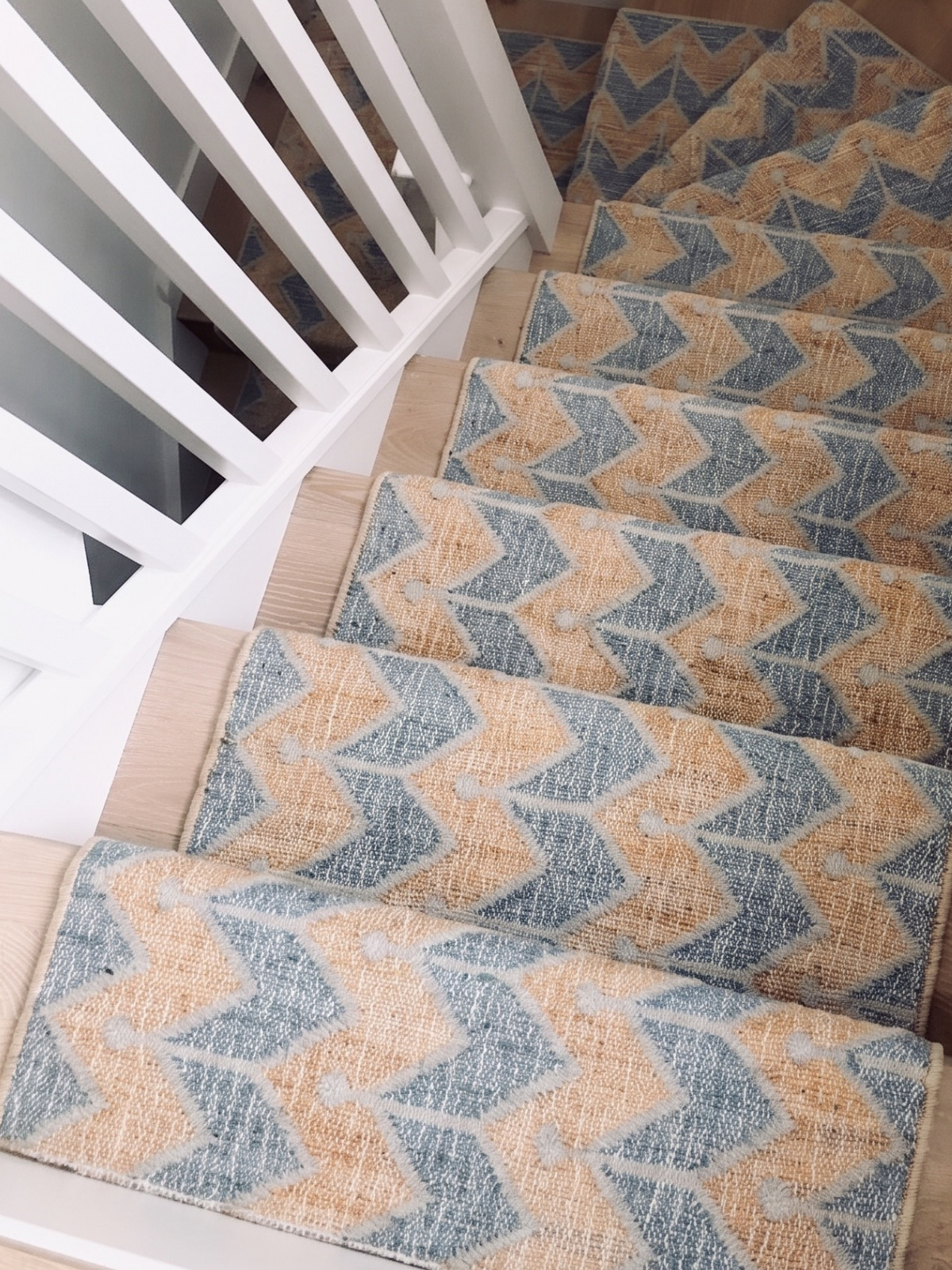
Geometric patterns are another design direction for contemporary staircases. Simple diamonds, repeating lines, abstract shapes, and structured motifs can introduce a modern character without relying on bright colours.
Geometric designs can work especially well in renovated London properties where traditional architecture has been combined with contemporary interiors. The pattern creates a bridge between old and new, allowing the staircase to acknowledge the character of the building while contributing something current.
The scale of the pattern is important. Large geometric motifs may need sufficient visual space to remain clear, while smaller patterns can create a more subtle textured effect.
Vintage-Inspired Patterns for Period Properties
London is known for its variety of period homes, and many homeowners want interior choices that respect the history of the property. Vintage-inspired stair runners can help create that connection.
Traditional motifs, muted colours, classic stripes, and heritage-inspired patterns can complement original timber staircases, decorative mouldings, panelling, and other period features. The aim is not necessarily to recreate a historical interior exactly, but to acknowledge the property's character while creating a comfortable contemporary home.
This is where the expertise involved in selecting wool stair runners London can become particularly valuable. Wool's natural appearance and range of patterns can work comfortably within traditional schemes while still allowing modern styling.
Combining Modern and Traditional Elements
One of the most interesting trends in London interior design is the blending of traditional and contemporary elements. A period staircase may be paired with modern artwork, contemporary furniture, minimalist lighting, or updated wall finishes.
A stair runner can help unite these different influences. A traditional pattern in a contemporary colour palette can feel both classic and current. Alternatively, a modern geometric runner can provide an intentional contrast against original architectural details.
This approach creates an interior that feels individual rather than tied to a single design period.
The Importance of Staircase Proportions
The runner should always be considered in relation to the staircase itself. A very wide runner can leave insufficient visible timber at the sides, while an overly narrow runner may look disconnected from the architecture.
The visual balance between the runner and the stairs is particularly important when choosing bespoke carpet runners London. Custom sizing allows the design to respond more precisely to the staircase, particularly where there are unusual dimensions or architectural features.
The surrounding hallway should also be considered. The runner should create a natural transition between the floors rather than appearing as an isolated strip of material.

Stair Runners as Part of the Whole Interior
A successful stair runner should relate to other elements in the home. This does not mean that the runner needs to match everything exactly. Instead, look for relationships in colour, texture, pattern, or material.
For example, a natural jute or sisal-inspired runner may complement timber flooring and woven furniture. A patterned wool runner may echo colours in curtains, upholstery, or artwork. A simple flatweave runner may reinforce a minimalist interior.
This coordinated approach creates visual continuity and makes the staircase feel like an intentional part of the home's overall design.
Choosing a Runner for High-Traffic Areas
Staircases experience regular foot traffic, so material selection should consider practical use as well as aesthetics. Homes with children, pets, or frequent visitors may require particularly careful consideration of durability, maintenance, and cleaning requirements.
A luxury runner should not only look good when newly installed; it should also be suitable for the way the household actually uses the staircase. This is one reason material quality and professional installation deserve as much attention as pattern and colour.
When considering carpet runners London, ask about cleaning, maintenance, expected wear, and installation requirements before making a final decision.
Professional Installation Makes a Difference
Even a beautiful runner can lose its impact if it is poorly installed. Staircases have multiple angles, edges, transitions, and surfaces, so accurate measurement and careful fitting are essential.
Professional installation can help ensure that the runner follows the staircase correctly and that the finished result looks neat and intentional. For bespoke designs, installation is especially important because the runner may have been created specifically for the property's dimensions.
Homeowners should therefore consider installation as part of the overall project rather than treating it as a secondary detail.
How Aarohana Home Can Help Create a Refined Staircase
Aarohana Home can be considered by London homeowners looking for carefully selected carpet and rug solutions that complement sophisticated interiors. The approach should begin with understanding the property's architectural style, staircase dimensions, preferred aesthetic, lifestyle requirements, and overall interior scheme.
Whether the desired direction is a classic wool runner, a contemporary flatweave, a natural-textured jute or sisal-inspired option, or a more personalised bespoke design, the objective is to create a staircase that feels integrated with the rest of the home. Rather than selecting a runner purely because it is fashionable, homeowners can focus on materials, colours, patterns, proportions, and craftsmanship that will continue to work within the interior over time.
FAQs
What is the best material for luxury stair runners in London?
Wool is a popular choice for luxury stair runners because of its natural appearance, warmth, texture, and versatility. However, the ideal material depends on the property's style, traffic level, maintenance preferences, and desired appearance.
Are wool stair runners suitable for London homes?
Yes, wool stair runners London can work across many interior styles, from traditional period properties to contemporary homes. Their natural texture and versatile appearance make them suitable for both classic and modern schemes.
What are flatweave stair runners?
Flatweave stair runners are made using a flatter construction that generally creates a cleaner, more structured appearance. They can work well in contemporary, minimalist, and transitional interiors.
Are jute and sisal suitable for stair runners?
Jute and sisal can provide natural texture and visual warmth. Jute stair runners London and sisal stair runners London can be considered depending on the desired aesthetic, staircase requirements, lifestyle, and maintenance expectations.
Why choose bespoke carpet runners?
Bespoke carpet runners London can be designed around the dimensions, proportions, colours, patterns, and specific requirements of an individual staircase. This can be particularly useful for unusual or architecturally detailed staircases.
How do I choose the right colour for a stair runner?
Consider the wall colour, flooring, timber, natural light, furniture, and overall interior palette. Neutral shades can provide long-term flexibility, while deeper or more distinctive colours can create a statement staircase.
Conclusion
Luxury stair runner design is moving towards a combination of craftsmanship, natural materials, thoughtful pattern, bespoke detailing, and practical functionality. For London homeowners, the staircase offers an opportunity to introduce personality into an area that might otherwise remain visually overlooked. From classic wool stair runners London to contemporary flatweave stair runners, natural jute stair runners London, structured sisal stair runners London, and individually designed bespoke carpet runners London, there are numerous ways to create a staircase that complements the architecture of the home.
The strongest design choice is not necessarily the most elaborate one. A beautifully restrained runner can be just as luxurious as a bold statement design when the material, proportion, colour, and installation have been carefully considered. Natural textures can create warmth, stripes can reinforce architectural direction, geometric patterns can introduce contemporary character, and bespoke borders can provide a tailored finish. The right runner should feel connected to the wider interior rather than simply placed on top of the stairs.
For homeowners exploring luxury stair solutions, Aarohana Home can be part of that design journey by helping create a considered relationship between material, craftsmanship, staircase architecture, and interior style. Whether the preference is timeless wool, refined flatweave, natural jute, textured sisal, hand-crafted inspiration, or a bespoke runner designed specifically for the property, the objective should remain the same: creating a staircase that feels beautiful, practical, and genuinely connected to the character of the home.
Ultimately, a stair runner is much more than a decorative accessory. It can influence the atmosphere of the entrance, create continuity between floors, soften architectural spaces, and become one of the most memorable details within a London home. By selecting the material, pattern, colour, proportions, and installation carefully, homeowners can turn an everyday staircase into a refined feature that enhances the entire interior.