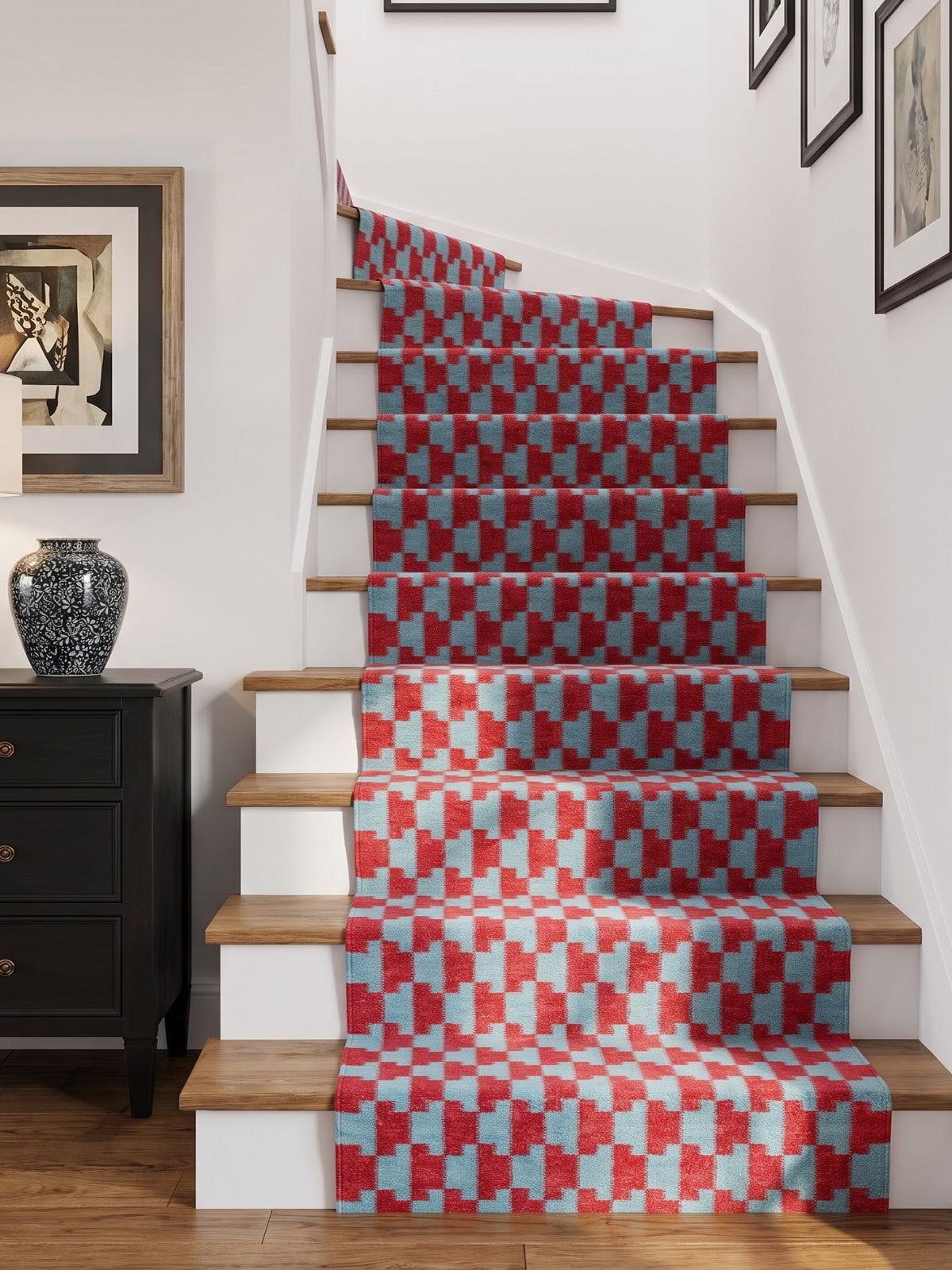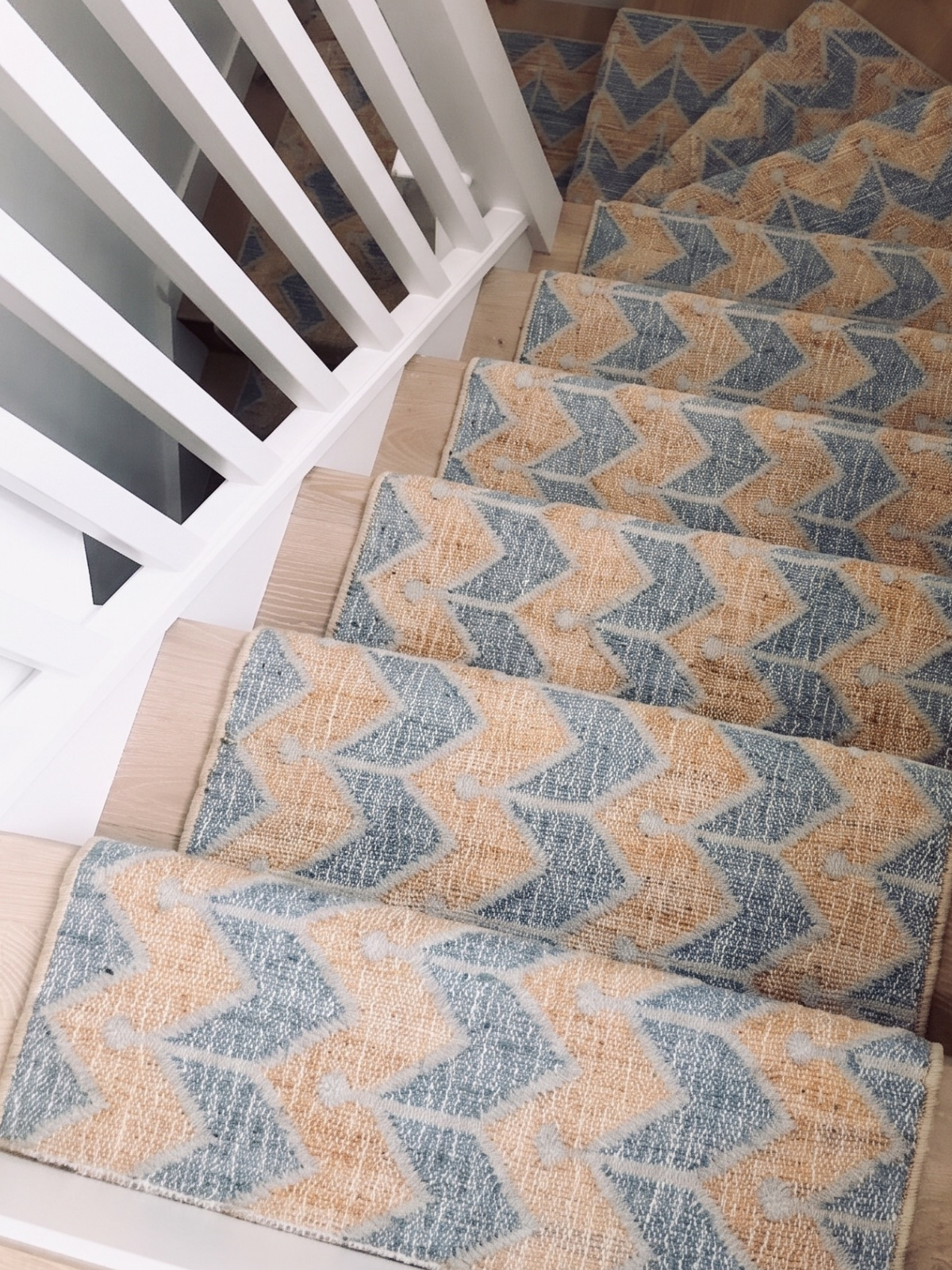

The hallway is often the first part of a home that visitors experience, yet it is one of the spaces that can be overlooked when planning an interior. In London homes, where architectural character can range from traditional Victorian and Edwardian properties to contemporary apartments and modern townhouses, the hallway provides an opportunity to establish the design language of the entire home. A carefully selected runner can add warmth, texture, colour, and visual continuity while also making a practical walking area feel more considered. This is why luxury hallway runners have become an increasingly popular choice for homeowners who want to combine interior style with everyday functionality. From natural fibres and hand-finished textures to contemporary patterns and bespoke dimensions, today's runners offer far more than simple floor coverage.
For homeowners looking for refined flooring solutions, the current design landscape includes a wide range of materials and styles, including wool stair runners London, flatweave designs, handcrafted rugs, bespoke carpet runners, and natural-fibre options such as jute and sisal. At Aarohana Home, the emphasis is on creating thoughtfully considered textile pieces that can complement different interiors while adding character to transitional spaces. The right runner is not simply a decorative accessory; it can influence how a hallway feels, how different rooms connect visually, and how comfortably the space performs on a daily basis. Understanding current design trends, materials, colours, patterns, and customisation options can therefore help London homeowners make a more informed choice.
Why Luxury Hallway Runners Are Becoming Popular in London Homes
Luxury hallway runners have an important role in modern interior design because they combine visual appeal with practical functionality. Hallways experience regular foot traffic, and hard flooring can sometimes make these areas feel cold, echoey, or visually disconnected from the rooms around them. A well-selected runner introduces softness underfoot and can help create a more welcoming transition between the entrance and the rest of the property. In period London homes, runners can also complement existing architectural details such as wooden flooring, traditional staircases, panelled walls, cornices, and original features.
The concept of luxury has also evolved. It does not necessarily mean excessive decoration or highly ornate designs. Modern luxury interiors often focus on craftsmanship, quality materials, proportion, texture, and timeless appeal. A simple wool runner with a refined pattern may create a more sophisticated result than an overly decorative design. Similarly, a natural-fibre runner can introduce warmth and understated texture into a minimalist interior. The best choice depends on the architecture of the home, the existing décor, the practical demands of the hallway, and the homeowner's personal taste.
1. Natural Wool Continues to Lead Luxury Runner Design
Wool remains one of the most respected materials for rugs and runners because of its combination of softness, resilience, texture, and timeless appearance. For homeowners searching for wool stair runners London, the material offers a practical way to introduce warmth and character to staircases and adjoining hallways. Wool can work particularly well in homes where the interior needs to balance everyday durability with an elegant appearance.
Another advantage of wool is its versatility. It can be woven or constructed in different ways to create different textures and visual effects. A tightly woven wool runner can provide a neat and structured appearance, while a more textured construction can add depth and softness. Neutral wool tones can complement traditional interiors, while deeper colours and subtle patterns can create a stronger design statement.
For a London home with a frequently used staircase or hallway, material selection should always consider practical requirements as well as appearance. A high-quality wool runner can provide a refined finish while being suitable for spaces where regular foot traffic is expected.
2. Flatweave Runners for a Contemporary Look
Flatweave textiles are another important trend for homeowners who prefer a cleaner and more understated aesthetic. Flatweave stair runners are generally characterised by a relatively flat construction, which can create a crisp and contemporary appearance. Their texture can work particularly well in modern homes, minimalist interiors, and properties where homeowners want the flooring to complement rather than dominate the overall design.
Flatweave designs can also provide flexibility when it comes to patterns. Geometric motifs, stripes, subtle tonal designs, and understated traditional patterns can all be incorporated into a flatwoven runner. This allows homeowners to introduce visual interest without making the hallway feel overly busy.
The simplicity of flatweave construction can also work beautifully alongside architectural details. In a period London property, for example, a restrained flatweave design can provide a contemporary contrast against traditional woodwork and stair detailing. In a modern apartment, the same type of runner can reinforce a clean and organised interior aesthetic.
3. Handcrafted Rugs for Character and Individuality
Another major trend in luxury interiors is the preference for pieces that feel distinctive rather than mass-produced. This has increased interest in hand knotted rugs London, particularly among homeowners who value craftsmanship and unique textile details.
Hand-knotting is a traditional rug-making technique that involves individually tying knots to create the structure of the rug. The process can require significant skill and time, which contributes to the distinctive character of handcrafted pieces. Small variations in texture or pattern can add to the individuality of a handmade rug rather than being considered imperfections.
For hallways and entrance areas, a handcrafted runner can become an important visual feature. Instead of simply filling an empty strip of flooring, it can provide a focal point that connects the entrance with adjoining rooms. Traditional motifs can complement classic London interiors, while contemporary patterns can work with modern spaces.
When selecting a handcrafted piece, homeowners should consider the dimensions carefully. A hallway runner should feel proportional to the space rather than appearing too narrow or overwhelming.

4. Bespoke Carpet Runners for Individual London Homes
Standard runner sizes do not always work perfectly in every property. London homes can have unusual hallway dimensions, distinctive staircases, narrow corridors, or layouts that require a more customised solution. This is where bespoke carpet runners London can provide a valuable alternative.
A bespoke runner allows homeowners to consider dimensions, colours, patterns, borders, materials, and other design details according to the specific space. Rather than adjusting the hallway to fit an off-the-shelf product, the runner can be planned around the architecture and proportions of the property.
Bespoke design is particularly useful in homes where the hallway is an important visual feature. A runner can be designed to complement wall colours, furniture, artwork, lighting, and other interior details. The result can feel more integrated because the flooring has been selected as part of the overall interior scheme rather than added at the end.
For homeowners investing in a luxury interior, this level of customisation can make a meaningful difference.
5. Natural Jute for Warm, Relaxed Interiors
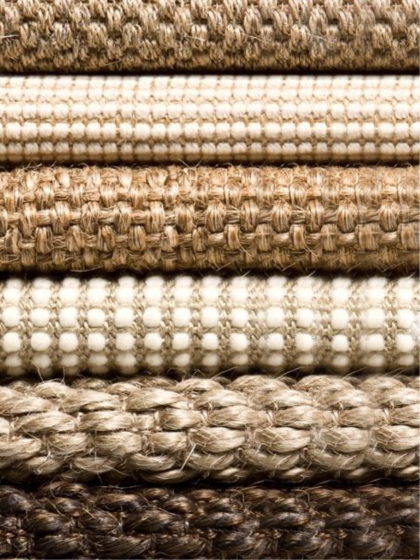
Natural materials continue to influence interior design, and jute stair runners London are an option for homeowners looking for a warmer, more relaxed aesthetic. Jute has a recognisable natural texture that can introduce visual depth without relying on bold patterns or strong colours.
Jute can work particularly well in interiors that use natural wood, neutral walls, woven accessories, linen textiles, and other organic-looking materials. Its earthy character can soften modern interiors while also complementing rustic or traditional spaces.
For a hallway, the texture of jute can create an inviting first impression. However, because staircases and hallways experience different levels of wear, homeowners should consider the specific construction, suitability, maintenance requirements, and intended location before choosing a natural-fibre runner.
The most effective use of natural materials is not simply about following a trend. It is about selecting a material whose texture and performance make sense for the environment.
6. Sisal for Natural Texture and Structure
Sisal is another natural fibre that has become popular in interior flooring applications. Sisal stair runners London can offer a distinctive textured appearance and can work especially well in interiors where natural materials are central to the design concept.
The appeal of sisal often comes from its structured texture and neutral character. It can provide a subtle foundation that allows other elements of the room to take attention. For example, a textured sisal runner can complement patterned wallpaper, statement artwork, decorative lighting, or colourful furniture without competing with those features.
As with any natural-fibre flooring solution, homeowners should consider the specific environment and product construction before making a final decision. Staircases and hallways have particular practical requirements, so professional advice can be valuable when determining the most appropriate material.
7. Neutral Tones for Timeless London Interiors
Neutral colours remain a strong trend because they can work across changing interior styles. Shades of cream, beige, taupe, soft grey, natural brown, and other muted tones can create a sophisticated foundation for a hallway.
Neutral runners can be particularly effective in London homes because they can complement both traditional and contemporary architecture. In a Victorian property, a softly patterned neutral runner can work alongside original woodwork and decorative details. In a modern apartment, a minimal neutral design can contribute to a clean and spacious appearance.
However, neutral does not have to mean plain. Texture, subtle pattern, borders, and tonal variation can give a neutral runner plenty of visual interest.
8. Deep Colours for Dramatic Hallways
While neutral tones remain popular, deeper colours are increasingly being used to create more expressive interiors. Rich blues, earthy greens, charcoal, burgundy-inspired tones, and other deeper shades can turn a hallway into a distinctive design feature.
A darker runner can be particularly effective in a long hallway because it can visually anchor the space. When combined with suitable lighting and lighter walls, the contrast can create an elegant atmosphere.
The key is balance. If the hallway already contains strong wallpaper, colourful artwork, or decorative furniture, a simpler runner may create a more harmonious result. If the rest of the hallway is relatively understated, a richly coloured runner can provide a controlled focal point.
9. Subtle Geometric Patterns
Geometric designs continue to influence contemporary rug and runner collections. Stripes, diamonds, linear motifs, repeating shapes, and abstract geometry can introduce structure into a hallway without requiring excessive decoration.
The scale of the pattern matters. Smaller repeating designs may create a more traditional or detailed appearance, while larger geometric patterns can feel more contemporary and visually striking.
When choosing a geometric runner, consider how the pattern interacts with the length of the hallway. A carefully selected design can create a sense of continuity, while a pattern that is too visually dominant may make a narrow hallway feel busy.
10. Traditional Patterns With a Modern Interpretation
Traditional rug patterns are also being reinterpreted for contemporary homes. Instead of highly ornate designs, modern versions may use simplified motifs, muted colour palettes, or distressed visual effects.
This trend is particularly relevant to London homes where historic architecture meets contemporary interior design. A traditional-inspired runner can acknowledge the character of the property while still feeling current.
For homeowners who want a timeless result, this can be an effective approach. The design can provide personality without becoming overly tied to a short-lived trend.
11. Layered Texture as a Design Feature
Texture has become increasingly important in luxury interiors. Rather than relying only on colour or pattern, designers are combining different tactile surfaces to create depth.
A textured runner can work alongside wooden flooring, painted walls, upholstered furniture, natural fabrics, and decorative accessories. This creates a richer sensory experience while keeping the colour palette relatively restrained.
Wool, jute, sisal, flatweave constructions, and handcrafted rugs can each provide different textural qualities. The goal is to create contrast while maintaining visual harmony.
12. Runners That Connect Different Rooms
A hallway should not necessarily be treated as a completely separate design zone. A well-selected runner can help connect different parts of the home.
For example, the colours within a runner can subtly echo tones found in the living room, dining room, or staircase. This creates continuity and makes the overall interior feel more cohesive.
In open-plan or connected layouts, this becomes especially important because flooring and textiles can influence how the eye moves from one space to another.
13. Custom Borders and Edging Details
Borders can add definition to a hallway runner and create a more tailored appearance. A contrasting border can frame a patterned textile, while a tonal border can provide a subtle finishing detail.
This is particularly useful for bespoke runners because the border can be selected according to the dimensions and character of the space.
For homeowners who want an understated luxury aesthetic, small finishing details can sometimes have a greater impact than an elaborate design.
14. Sustainable-Minded Material Choices
Modern consumers are increasingly interested in understanding where products come from and how they are made. In luxury interiors, this has encouraged greater attention to natural fibres, craftsmanship, durability, and product longevity.
Rather than replacing flooring frequently, homeowners may prefer investing in a well-made runner that is intended to complement the home for a longer period. Material transparency and responsible sourcing can also be important considerations when evaluating textile products.
For Aarohana Home, thoughtful material selection and craftsmanship can help homeowners make choices based not only on appearance but also on the qualities and story behind the product.
How to Choose the Right Luxury Hallway Runner
Choosing the right runner starts with measuring the hallway carefully. Consider the total length and width of the available floor area, door openings, furniture placement, staircase connections, and other architectural features. The runner should provide sufficient visible flooring around its edges while still feeling substantial enough to define the space.
Next, consider the practical demands of the area. A busy family hallway may require a different material and construction from a quieter decorative corridor. Homes with pets or children may also need additional consideration regarding cleaning and durability.
Finally, look at the existing interior. Wall colours, flooring, lighting, furniture, artwork, and architectural details should all be considered before selecting the runner. The objective is to create a relationship between the runner and the rest of the home rather than choosing a design in isolation.
Why Bespoke Runners Can Make a Difference
A bespoke runner can be particularly valuable when standard products do not suit the proportions or aesthetic of the property. London homes can have distinctive layouts, and a customised runner can be designed to work with those individual characteristics.
The ability to select dimensions, colours, patterns, materials, and finishing details can help create a more personalised result. It also allows the runner to become part of the interior design from the beginning rather than being treated as an afterthought.
For homeowners investing in a high-end interior, this attention to detail can help achieve a more cohesive and considered finish.

The Aarohana Home Approach
At Aarohana Home, the focus is on bringing together design, craftsmanship, material character, and practical considerations to create textile pieces that suit contemporary interiors. Hallways and staircases deserve the same level of attention as living rooms and bedrooms because they form an important part of the home's visual journey.
Whether the preference is for natural textures, refined wool, handcrafted designs, flatweave construction, or a customised carpet runner, the right piece can help transform an ordinary transition space into a meaningful part of the interior.
The most successful luxury runner is one that feels appropriate to the architecture, complements the surrounding décor, and remains practical for everyday life.
FAQs
What are the best materials for luxury hallway runners in London?
Wool, flatweave textiles, jute, sisal, and handcrafted rug constructions can all be suitable depending on the location, design requirements, traffic level, and maintenance expectations. The right material should be selected according to both appearance and practical use.
Are wool stair runners suitable for London homes?
Yes, wool can be a strong option for stair runners because it offers a combination of softness, texture, and durability. The specific suitability depends on the construction, quality, staircase requirements, and expected level of use.
What are flatweave stair runners?
Flatweave stair runners are made using a relatively flat textile construction rather than a deep pile. They can provide a neat, contemporary appearance and are available in a range of colours, patterns, and natural or synthetic fibres.
What makes hand knotted rugs special?
Hand knotted rugs are created using a traditional knotting process in which individual knots are tied to construct the rug. The craftsmanship and time involved can give each piece a distinctive character, texture, and appearance.
Are bespoke carpet runners London homes a good choice?
Bespoke carpet runners can be useful when standard sizes or designs do not suit a particular hallway or staircase. They can allow homeowners to consider specific dimensions, colours, patterns, materials, and finishing details.
Are luxury hallway runners only suitable for traditional homes?
No. Luxury runners can work in traditional, transitional, contemporary, minimalist, and modern homes. The material, colour, pattern, and construction can be selected to complement the architectural character of the property.
Conclusion
Luxury hallway runners have evolved into an important interior design element for London homes, offering a combination of comfort, texture, practicality, and visual character. Current trends show that homeowners are increasingly interested in natural materials, handcrafted details, bespoke sizing, refined patterns, and timeless colour palettes rather than choosing products based purely on short-term fashion trends.
From wool stair runners London homeowners can use to introduce warmth and resilience, to flatweave stair runners that provide a clean contemporary finish, there are options for a wide variety of interiors. Hand knotted rugs London can bring craftsmanship and individuality, while bespoke carpet runners London can provide a more personalised solution for properties with distinctive layouts. Natural materials such as jute stair runners London and sisal stair runners London can add texture and an organic quality to interiors when selected appropriately for the space.
The most important consideration is to choose a runner that works with the home rather than simply following a trend. Think about dimensions, traffic, material, maintenance, colour, architecture, and the relationship between the hallway and surrounding rooms. A well-chosen runner can create continuity throughout the home while making an entrance or staircase feel warmer and more considered.
For homeowners seeking a personalised approach to luxury textile design, Aarohana Home provides an opportunity to explore runners and rug styles that bring together craftsmanship, material character, and thoughtful design. Whether your London home is traditional, contemporary, or somewhere between the two, the right hallway runner can become more than a practical floor covering—it can be a defining detail that adds personality and lasting visual appeal to the space.